
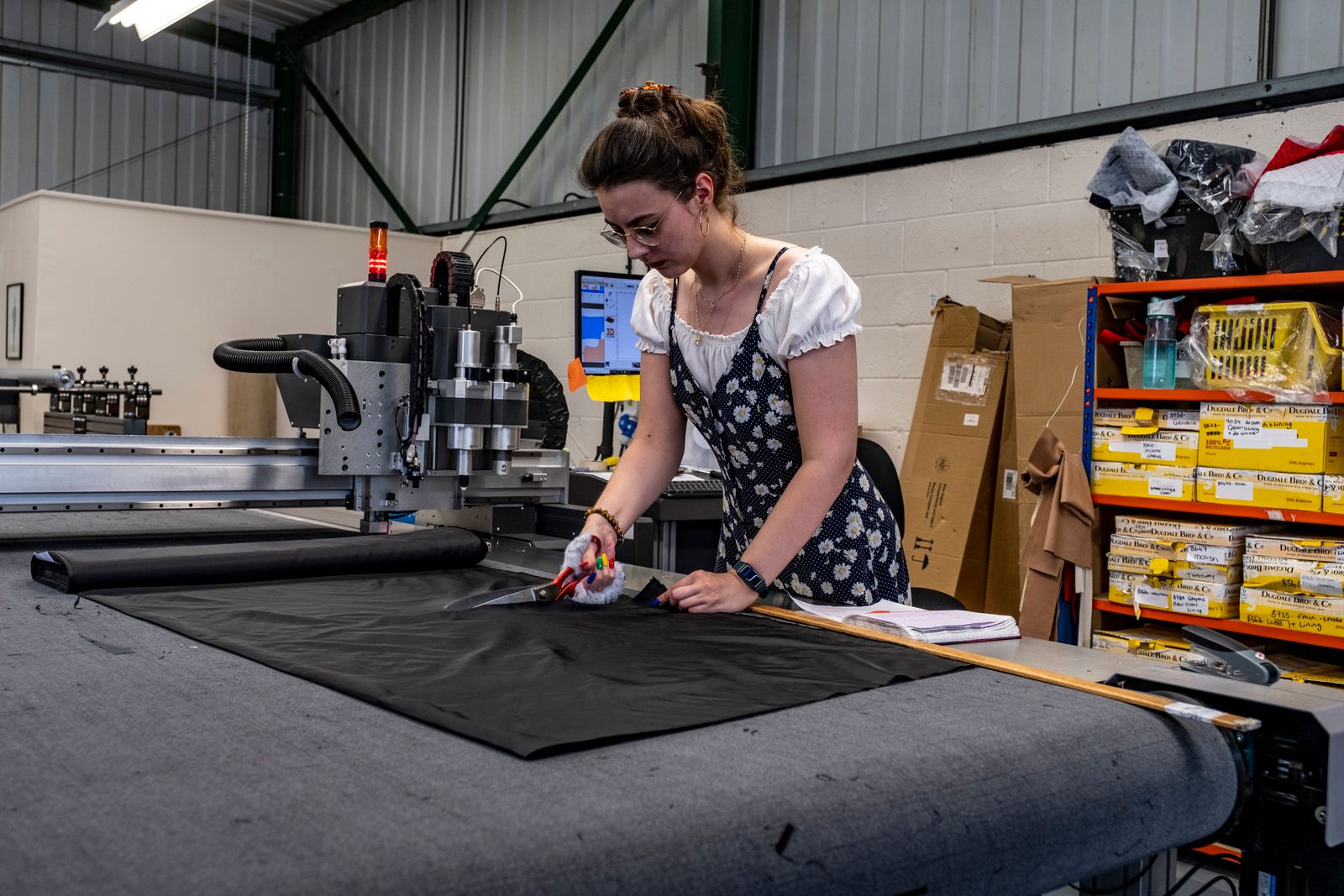
A quantity request is easier to assess when the buyer sends one defined style, its colour split, size range, fabric route and any special trims. “What is your minimum?” without those details can produce a number that changes after sampling.
A structured dress may need a shell, lining, support material, zipper and decoration. A tailored set can add interlining, buttons and separate components. Each item has its own availability and purchasing unit. The smallest garment run therefore does not automatically equal the smallest economical or available material order.
Which minimums should a buyer separate?
Separate the sewing commitment from supplier purchases. A garment minimum states how many finished pieces a factory will accept for the defined style and colour. Fabric and trim minimums state what mills, wholesalers or component makers will sell or produce. They may be measured in metres, rolls, pieces or packs rather than garments.
The International Trade Centre's Garment Costing Guide treats trim procurement as a separate planning task and distinguishes materials available in the spot market from those requiring special orders. It notes that a missing label or other trim can delay a full-service garment operation. For a buyer, the practical question is which component fixes the earliest purchase commitment, not only what the sewing room can cut.
| Minimum or constraint | Ask the supplier to define | What can change it? |
|---|---|---|
| Garment run | Pieces per style and colour; permitted size mix | Construction, line setup, approved sample and order split |
| Shell or lining fabric | Supplier minimum by quality, colour and purchase unit | Stock availability, custom dyeing, print or finish |
| Special trims | Minimum for each zipper, button, label or decoration | Custom colour, tooling, artwork or designated supplier |
| Unused materials | Who pays, owns, stores or takes delivery | Order smaller than the material purchase |
Request a written breakdown of fabric and trim minimums before comparing two factories. One quote may include a stock component while another assumes custom manufacture. Those offers answer different design briefs even if their finished-piece quantities look similar.
How do structured or decorated styles change the decision?
Complexity changes the number of materials and approval steps. For a corset-inspired bodice, confirm whether the style uses boning, an inner foundation, separate lining, shaped cups or only visual seam lines. A jacket may need interlining, shoulder shaping and a particular button. An embellished dress may need a decoration trial and inside protection. None of those choices should be inferred from a reference photograph.
When the pattern, material and workmanship are still developing, the minimum quoted at first contact is provisional. A fabric change can alter usable width and consumption; a construction change can add another component or a second cutting and sewing route. The buyer should approve a representative sample and the bill of materials before the production quantity becomes a binding order condition.
Ask whether the factory's garment minimum applies to the full set or to each separate piece, and whether colourways share any fabric or trim purchase. Mixing sizes within one colour may be possible, but combining unlike fabrics or finishes into one material minimum usually requires supplier confirmation. Confirm any split in writing instead of treating a collection total as one run.
Can stock materials make a smaller order feasible?
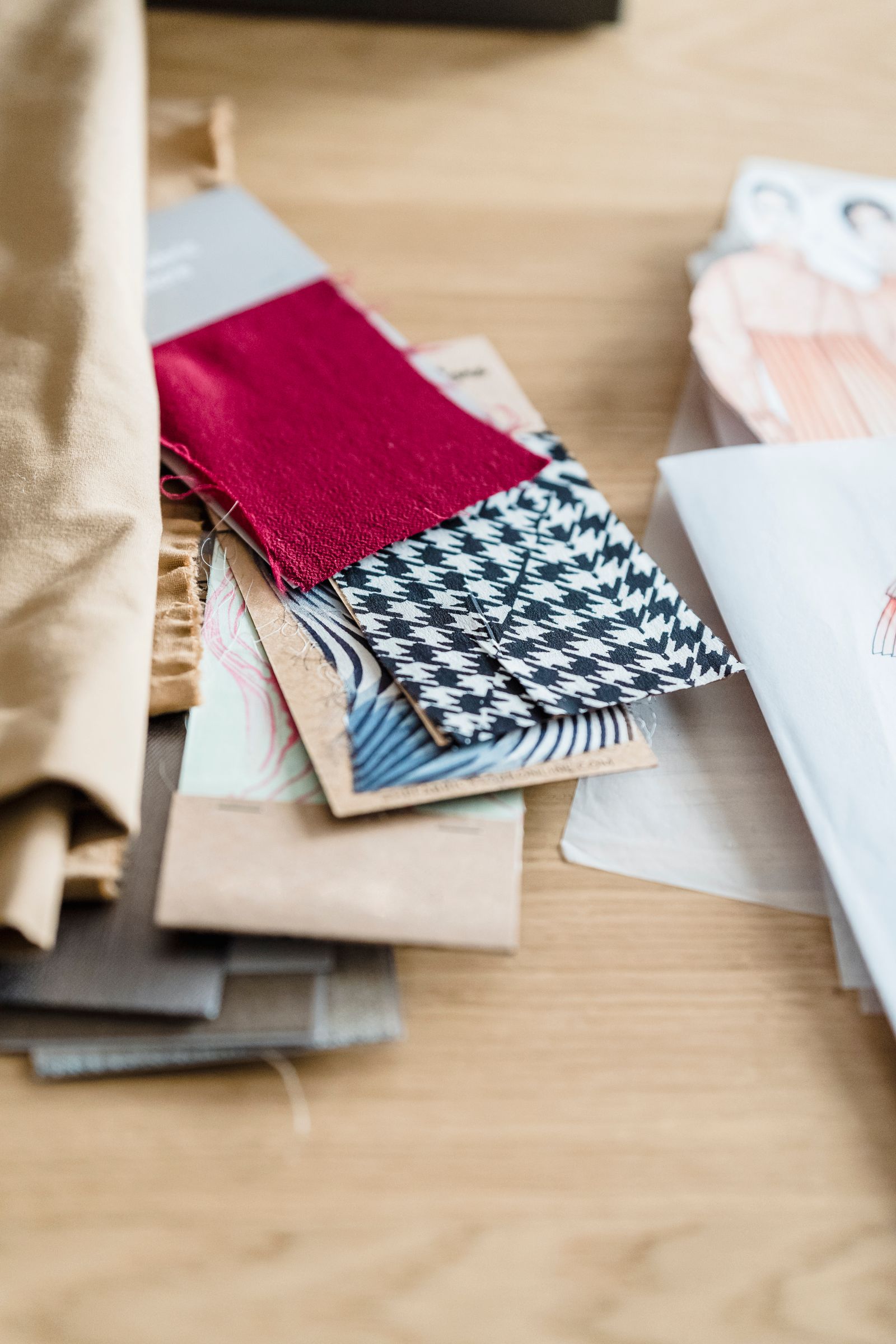
Sometimes, if the available material satisfies the approved garment specification and enough matching stock can be reserved. The buyer still needs its supplier reference, composition, usable width, shade and replenishment position. A swatch or online photograph alone cannot prove that the bulk quantity exists in the required colour and lot.
At a China National Garment Association supply-chain meeting on 5 September 2025, a named brand supply-chain director described planning several styles around the same fabric and using available fabric as conditions for flexible replenishment. That was the speaker's operating model, not a universal MOQ rule. It suggests a question worth testing for your collection: can compatible styles share one confirmed material order without losing their separate garment approvals?
Sharing a fabric can reduce separate buying commitments, but only when the colour, finish, usable width, care route and quality reference truly match. Do not replace a specified fabric merely to fit a lower purchase quantity. The revised material should be assessed in the sample, and any effect on fit, drape, opacity or care should be approved before bulk cutting. For garments sold in the US, the Federal Trade Commission care-labelling guidance requires a reasonable basis for care instructions covering the complete garment, including its lining and trims; a component-only result may not represent their combination.
If a custom colour, weave, print or branded component is central to the design, ask for that supplier's actual minimum and delivery terms. The International Trade Centre guide's distinction between spot-market and special-order trims is useful here: what is readily available and what must be newly made have different commercial and scheduling consequences.
What should an MOQ quotation say?
Ask for a quotation tied to the latest style revision and approved sample, with a separate line for each material assumption. It should identify whether quantities are per style, colour or component; the permitted size split; which trims are stock or custom; and whether any buyer-supplied item is excluded from the factory's price. If a fabric or trim supplier requires more than the garment run consumes, record the excess-material treatment before placing an order.
Specify the route for pattern changes and sample revisions as well. A quotation based on one shell fabric and an unlined construction should be revised if the accepted sample adds a lining, inner support or embroidery. The comparison should include the same quality, packing and approval conditions, rather than focus on a single minimum-piece figure.
How does PIPK review a complex-style quantity request?
As of 16 September 2026, PIPK reviews the style reference, pattern and sample needs, fabric direction, trims, colourways and target quantity before confirming a project-specific production route. Its custom womenswear workflow links the approved garment to material booking and bulk planning; its fabric-sourcing process checks current options and supplier conditions rather than treating a photograph as inventory.
For a structured or decorated style, PIPK can discuss a physical trial or sample to resolve construction and material choices first. The production quantity, material purchase, unit price and delivery timing need a current written quotation for that style. Published terms elsewhere on this site describe their stated product scope and conditions; they should not be applied to a different construction without review.
Brief for a quantity review
What should the buyer send before asking for a minimum?
- Style reference or tech pack with front, back and internal construction views
- Target pieces by style, colour and size, including whether a set has separate pieces
- Shell, lining, support and decoration materials, with swatches or supplier references if known
- Stock or custom route for each fabric, zipper, button, label and special trim
- Fit, drape, care and workmanship requirements that a substitute must preserve
- Expected sample approval stage and who signs off the production reference
- Who will pay for and control any material left after the garment run
- Target market, packing needs and delivery window for the actual order
Use the sample cost and timing guide to separate development charges from bulk terms, and the fabric approval guide to define which physical material can be released for cutting. For decorated designs, the embellishment quality guide explains how the trial becomes a production reference.
A useful MOQ for complex womenswear styles is a scoped answer about a defined garment, material route and colour split. Send PIPK a style brief and proposed quantity so the team can identify the component commitments and approval steps behind a current quotation.
Further reading
Sources
These sources support material and trim planning principles. They do not set a universal sewing threshold or PIPK commercial term.
China National Garment Association: 2025 denim supply-chain meeting and shared-fabric planning International Trade Centre: The Garment Costing Guide, material and trim planning US Federal Trade Commission: Care Labeling Rule guidance for complete garments