Translate the reference
Identify the material behaviour that creates the intended silhouette and finish.
 PIPK
PIPKGuangzhou fabric sourcing
PIPK uses Guangzhou's textile supply network to identify fabric and trim options, then carries approved choices into sample development and production planning.
Sourcing brief
Hand feel, weight, stretch, recovery, opacity, colour, surface appearance, care requirements and target cost all affect whether a material works for the intended garment.
Identify the material behaviour that creates the intended silhouette and finish.
Compare relevant market or supplier options against the product brief.
Use swatches, colour and sample performance to make the choice visible.
Confirm availability, commercial conditions and the approved material reference.
Actual sourcing references
These photographs show fabric options from PIPK's sourcing records, reviewed on 13 September 2026. They are not a live inventory. Current availability, colour options, supplier minimums and price are checked against your project before ordering.
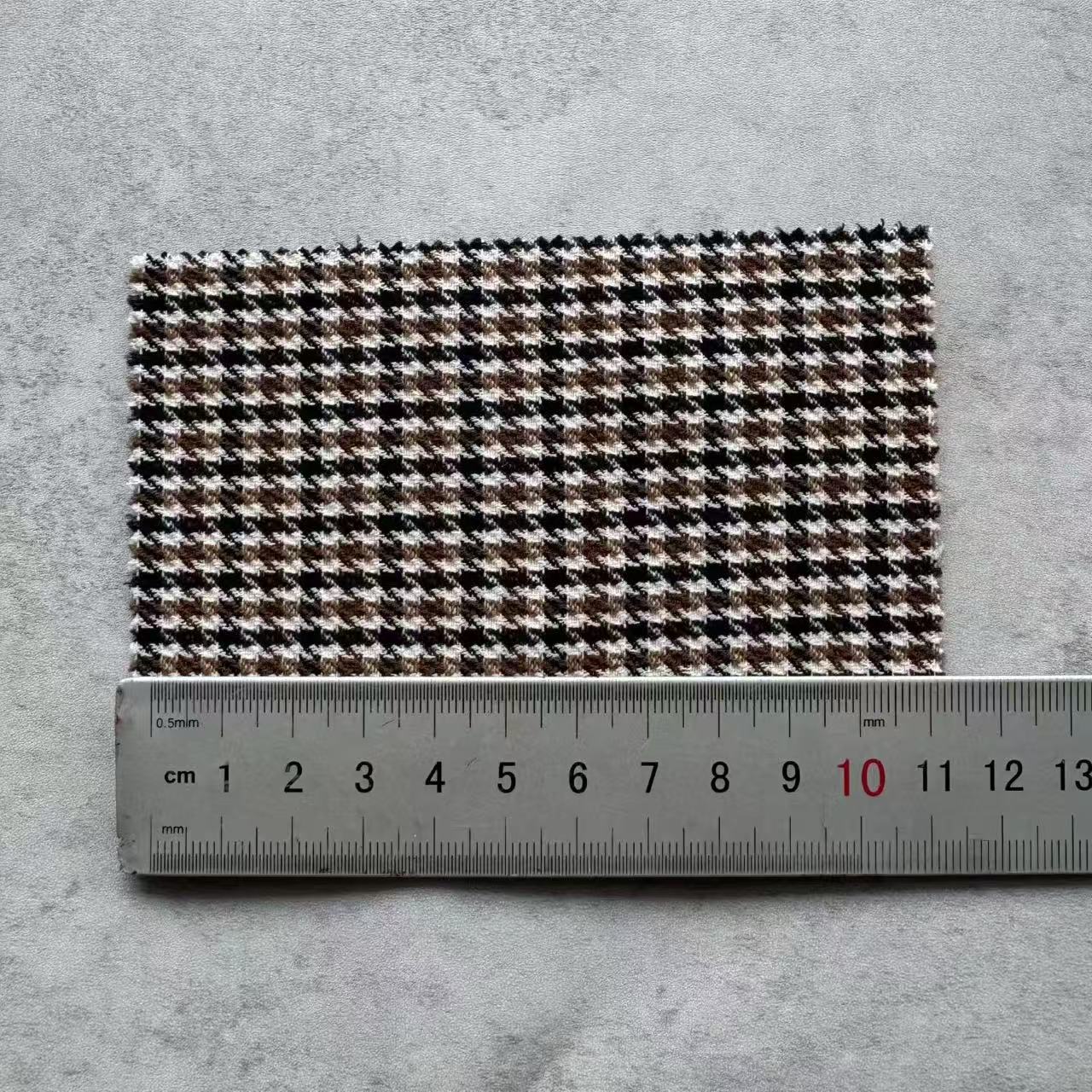
Textured jacket material
A small-scale brown, cream and dark check with a textured surface, selected for jacket development review.
Fabric library and alternatives
PIPK's fabric library is a working sourcing record, not a promise that every swatch is in stock. The material brief is matched with current supplier options; when the original quality is unavailable or commercially unsuitable, alternatives are compared by specification and physical behaviour before the buyer approves one.
Start with recorded swatches and current supplier contacts, then extend the search when the required composition, weight, hand feel, surface, stretch, colour or quantity is not represented. Current availability and minimums are rechecked for the actual order.
For each candidate, record the supplier reference, composition, weight basis, usable width, stretch or recovery where relevant, hand feel, drape, opacity, finish, colour, minimum, price and timing. Differences from the requested quality remain visible in the shortlist.
For stock colours, identify the physical colour card and supplier code. For a custom colour, agree the colour reference and whether a lab dip or other colour trial is required. Review the physical result under suitable light; an on-screen photograph is not the final colour approval.
Approve the physical swatch, then check the selected quality in the garment sample or a relevant construction trial. If the bulk lot changes the shade, handle, stretch, weight or pressing response, decide whether another approval is needed before cutting.
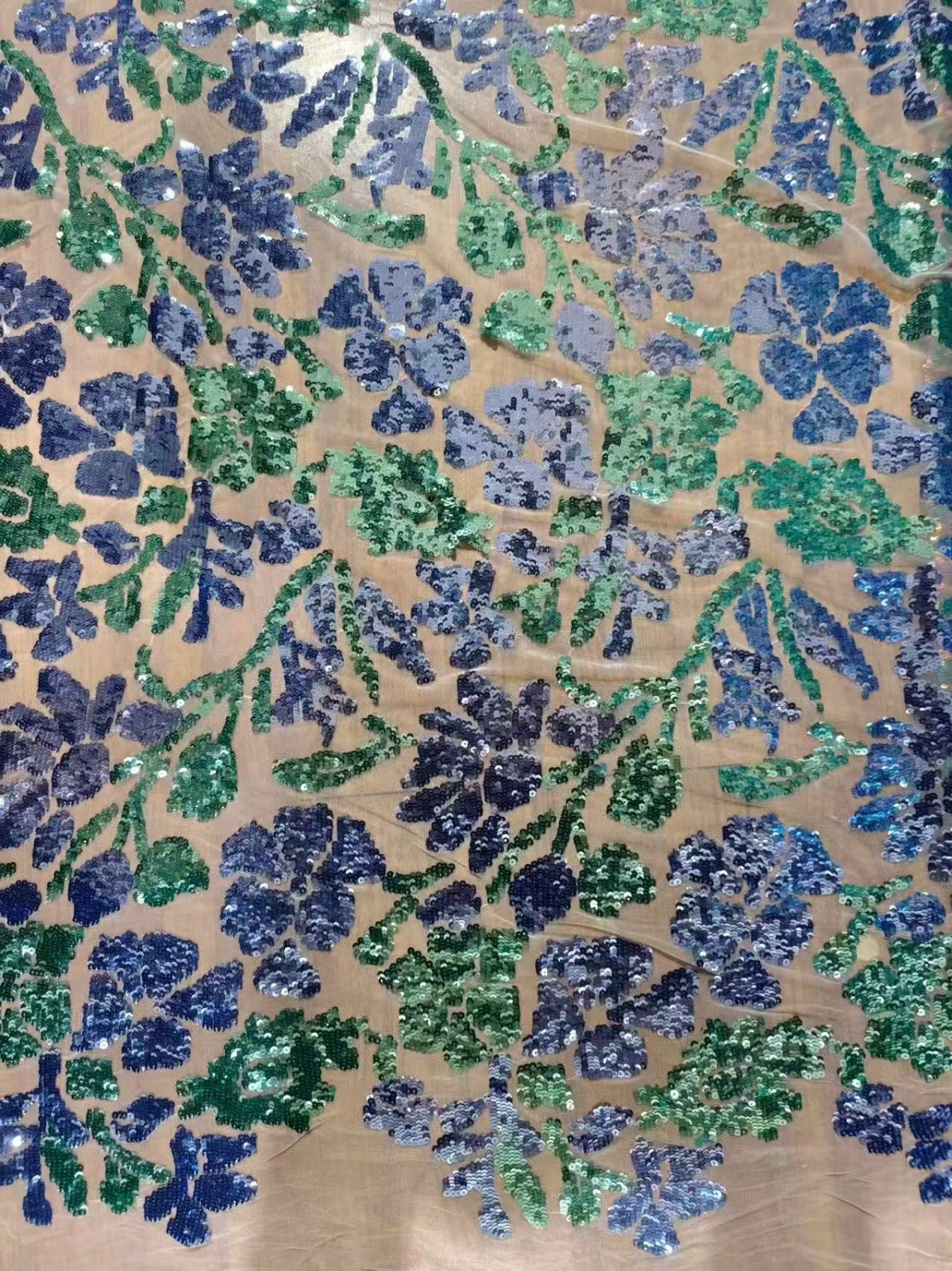
Decoration already on the fabric
The photograph shows reflective floral motifs across a light, open ground. This is a material-selection reference for a decorated fabric, rather than a proposal to add separate decoration to a finished jacket.
Swatch requests and UK shipping
PIPK can arrange fabric swatches to the United Kingdom, France and other overseas destinations. Send the selected references plus the recipient's legal name, telephone number, company name if applicable, complete address and UK postcode. Swatch availability, charges, courier cost, delivery estimate and shipping terms are confirmed for the actual package before dispatch.
Include the garment reference, preferred colour, composition and weight if known, required hand feel, lined or unlined construction, target quantity and destination country. You can refer to either photograph above by its name.
Request current face and reverse-side photos, a short movement video and the supplier reference for each option. Confirm composition, gsm, usable width, colour reference and fabric minimum; mark any missing information before comparing.
Agree the selected references, swatch size and count, recipient details, any swatch charges, courier service, cost and estimated transit time. Confirm whether any import VAT, duty or courier clearance charge is included or payable by the receiver; this depends on the shipment and agreed delivery terms.
Check colour in your own light, both surfaces, comfort, drape and opacity. Record the selected reference and any lining or testing needs before the garment sample. Reconfirm availability for the intended production quantity; receiving a swatch does not reserve fabric stock.
Production material record
A useful material record separates what the supplier states, what the buyer approves and what still needs confirmation. The exact fields depend on the fabric, but missing information should remain visible rather than be replaced with an assumption.
Record the supplier reference, composition, gsm or other weight basis, usable width, colour reference and finish where available.
Link the face and reverse-side photos, movement video and physical swatch to the same reference used in the quotation and garment sample.
Reconfirm available quantity, fabric or colour minimum, price, timing and continuity for the intended order before booking.
Do not treat a visually similar alternative as automatically approved. Compare the changed specification and decide whether a new swatch, construction trial or garment review is required.

Zhongda context
Guangzhou's Zhongda textile ecosystem can support fast comparison across materials and specialist suppliers. PIPK's practical role is to keep the material decision tied to the style, buyer expectation and production route.
Material-specific questions
Composition names are not enough. The garment silhouette, finishing process, care route and target market determine which quality is suitable.
Review lustre, drape, lining needs, heat sensitivity and the risk of press marks.
Check weight, slub character, opacity, dimensional stability and shrinkage behaviour.
Confirm composition, structure, surface finish, pressing response and seasonal weight.
Assess weight, lustre, opacity, colour consistency, handling and intended care.
Custom fabric development
Custom jacquard, custom print and other surface developments begin with artwork, repeat, colour, base quality, order quantity and timing. PIPK reviews the fabric development together with the garment so the approved material can move into sampling rather than remain an isolated swatch.
From swatch to garment
The final decision should consider how the fabric cuts, sews, presses, holds its shape and responds to the intended finishing process.
Describe the intended hand feel, look, function and target cost.
Select options that are commercially and technically plausible.
Review the selected material in the sample or relevant construction trial.
Confirm the material reference and order conditions before production.
Describe the material target
PIPK can assess which sourcing route belongs in the development brief.
Discuss fabric sourcing