

A buyer choosing wool for a blazer, coat, trouser or skirt is not choosing fibre content alone. The same declared blend can arrive in different constructions, weights, finishes, colours and lots, and those differences can change the silhouette, pressing response and how the cloth works with the garment's lining and internal support.
What should a wool fabric sourcing brief specify?
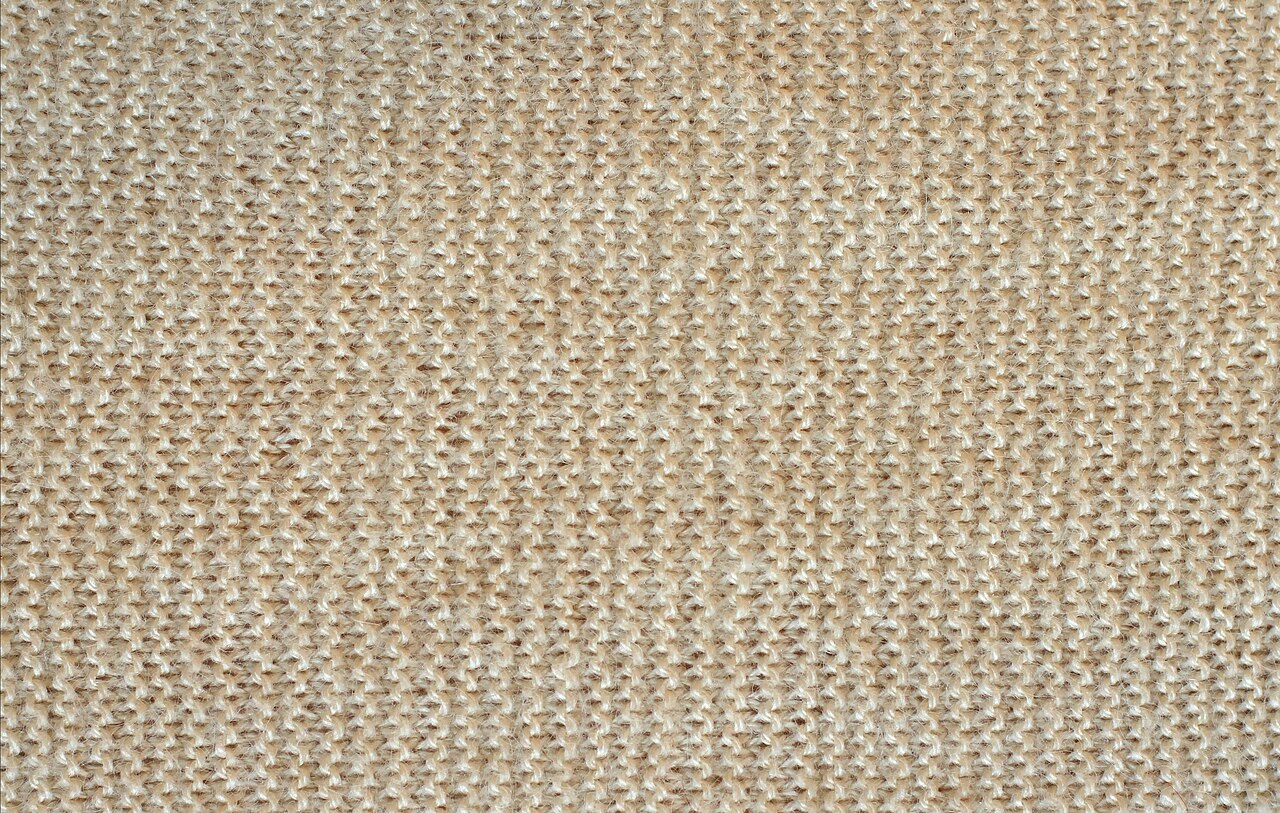
Begin with the garment outcome: season, silhouette, structure, intended use, target market and care expectation. Then identify the physical swatch with a supplier name or code, declared composition, colour reference, usable width, construction, finish and lot information. If the fabric has a directional surface, check, stripe or visible nap, record that because it can affect marker planning and panel matching.
Hand feel is useful but not reproducible as a phrase on its own. Keep the approved cutting or hanger, dated and signed where practical, and add measurable or observable requirements relevant to the style. These may include mass per unit area, dimensional change, colourfastness, seam behaviour, pilling or abrasion, but only when the buyer and supplier agree the method, specimen and acceptance criteria.
| Approval object | What it establishes | What it does not establish |
|---|---|---|
| Supplier specification | Declared fibre content, construction, finish, width and reference | The look and movement of the finished garment |
| Physical swatch | Colour, surface, handle and an identifiable comparison | That enough matching bulk stock is reserved |
| Tailored sample | Fit, drape, pressing and compatibility with internal components | That every later fabric lot will match |
| Bulk-lot evidence | The material presented for the actual order | Approval of unreviewed substitutions or later lots |
How should a wool blend fabric be identified?
Use the exact declared fibre names and percentages for the sales market, and keep the supplier record that supports them. Do not treat “wool touch,” a mill collection name or a photograph as a composition statement. If cashmere, alpaca, recycled wool or another animal fibre is claimed, identify that claim separately rather than allowing the general word “wool” to hide the distinction.
For products sold in the United States, the Federal Trade Commission's textile and wool labelling guide says wool and recycled wool must be disclosed by name and percentage even when they are below the usual 5% threshold for naming other fibres. The same guide requires records supporting required label information and says those records must be kept for three years. A buyer should therefore connect the approved specification, supplier document, test evidence where required and final label copy.
Identification can become technically difficult when similar animal fibres are mixed. A China National Textile and Apparel Council industry report on the 2024 national wool and cashmere fibre testing conference records participation from 45 companies, testing bodies and institutional laboratories. It also reports that laboratories generally handled qualitative identification, while quantitative work on blends containing less common animal fibres required further reference samples, proficiency testing and practice. That finding is scoped to the reported comparison work; it supports using an appropriate laboratory and method when a blend claim needs verification.
What does a raw-wool certificate prove?
The evidence needs to match the purchasing stage. The International Wool Textile Organisation's wool-testing guidance explains that raw-wool bales offered at auction are tested from grab samples and that batches naturally vary in length, colour, fineness and content. IWTO certificates support trade in that raw material.
A garment buyer, however, normally approves cloth after spinning, weaving or knitting, dyeing and finishing. A raw-wool certificate should not be presented as proof of the finished fabric's colour, usable width, dimensional response, seam behaviour or compatibility with tailoring components. Ask what material the certificate covers, which lot it identifies, who issued it and which decision it is meant to support.
The same boundary applies to fibre fineness terms and supplier collection names. They may describe one characteristic or commercial range, but they do not replace an approved swatch and garment trial. If a claim will appear in buyer-facing product copy, verify that the supporting document follows the material into the finished cloth and final garment.
What should wool fabric approval cover in a tailored sample?
Review the cloth as part of the complete tailored system. A jacket may combine shell, canvas or interfacing, shoulder support, sleeve head, lining, pocketing, tape, thread, buttons and pressing. The sample should show whether these components work together without bubbling, shine, strike-through, unwanted stiffness or distortion.
Check balance and movement in the intended base size. Review lapel roll, collar shape, shoulder line, front closure, sleeve hang, hem, pocket area and the behaviour of the lining while standing, sitting and raising the arms. For trousers and skirts, include waistband stability, crease or drape, seat and thigh movement, and any show-through from internal construction.
Pressing is part of the approval, not a final cosmetic repair. Record the temperature or handling restrictions provided by the fabric supplier and confirm how the approved surface should look. If a revised finish or lot responds differently, the production team needs a new decision rather than an instruction to force it to resemble the first sample.
How should the approved wool fabric move into bulk production?
Reserve or book the exact approved quality and colour, then compare the delivered bulk lot with the retained reference before cutting. Confirm the roll or lot identification, shade grouping, usable width, visible faults and any directional requirements. If multiple lots or dye batches are necessary, agree how panels and sets will be controlled.
Choose tests from the actual risks and sales-market requirements. The specification should name the method, laboratory or responsible party, sample source and acceptance criteria. One composition result cannot answer dimensional change, colourfastness, seam performance or pilling; likewise, a passing fabric result cannot prove the fit and workmanship of a tailored garment.
When a substitution is proposed, compare more than price and colour. Recheck composition, surface, width, finish, performance evidence and sample behaviour. A replacement that looks close on a screen may require a revised pattern, interfacing or pressing route, so written approval should state whether a new garment sample is required.
How does PIPK review wool fabric for tailored womenswear?
As of 28 September 2026, PIPK's published fabric-sourcing workflow includes wool among project-specific sourcing directions and asks buyers to compare supplier information, physical swatches and sample performance. Its women's tailoring development page connects fabric choice to shoulder shape, lapel roll, lining, internal support, movement and pressing in the sample.
For tailored womenswear manufacturing, PIPK can review a buyer-supplied quality or source alternatives for a defined style, then connect the selected swatch to the sample and production reference. Exact composition, finish, supplier minimum, available colour, price, testing, order quantity and timing depend on the current fabric route and garment; they require written confirmation for the project.
Brief for material review
What should the buyer send?
- Garment sketch, reference or tech pack with intended silhouette and season
- Target market, fibre-content claim and any label or traceability requirement
- Physical swatch, supplier reference or a clear description of the required surface and handle
- Colour, pattern direction, usable width and lot or shade requirements
- Lining, interfacing, shoulder support, closure and pressing expectations
- Base size, fit priorities and movement checks for the tailored sample
- Care route, test methods and acceptance criteria required for the project
- Target quantity, colour split, delivery window and named material approver
Use the fabric approval process to separate swatch, test and bulk-lot decisions. The sample-development workflow explains how material and fit comments become a production reference, while the quality-control checkpoints cover material matching, inline workmanship and finishing.
Reliable wool fabric sourcing links an exact fibre claim and physical reference to the tailored sample, bulk lot and final label. Send PIPK the style, swatch or fabric direction, target market and approval requirements for a project-specific material review.
Further reading
Sources
These sources support the fibre-identification, labelling and raw-wool testing boundaries above. They do not establish one universal fabric specification, garment test limit or PIPK commercial term.
China National Textile and Apparel Council: 2024 national wool and cashmere fibre testing conference report, published in the July 2025 industry journal US Federal Trade Commission: textile and wool fibre-content, origin and record-keeping guidance International Wool Textile Organisation: raw-wool testing and certificates