
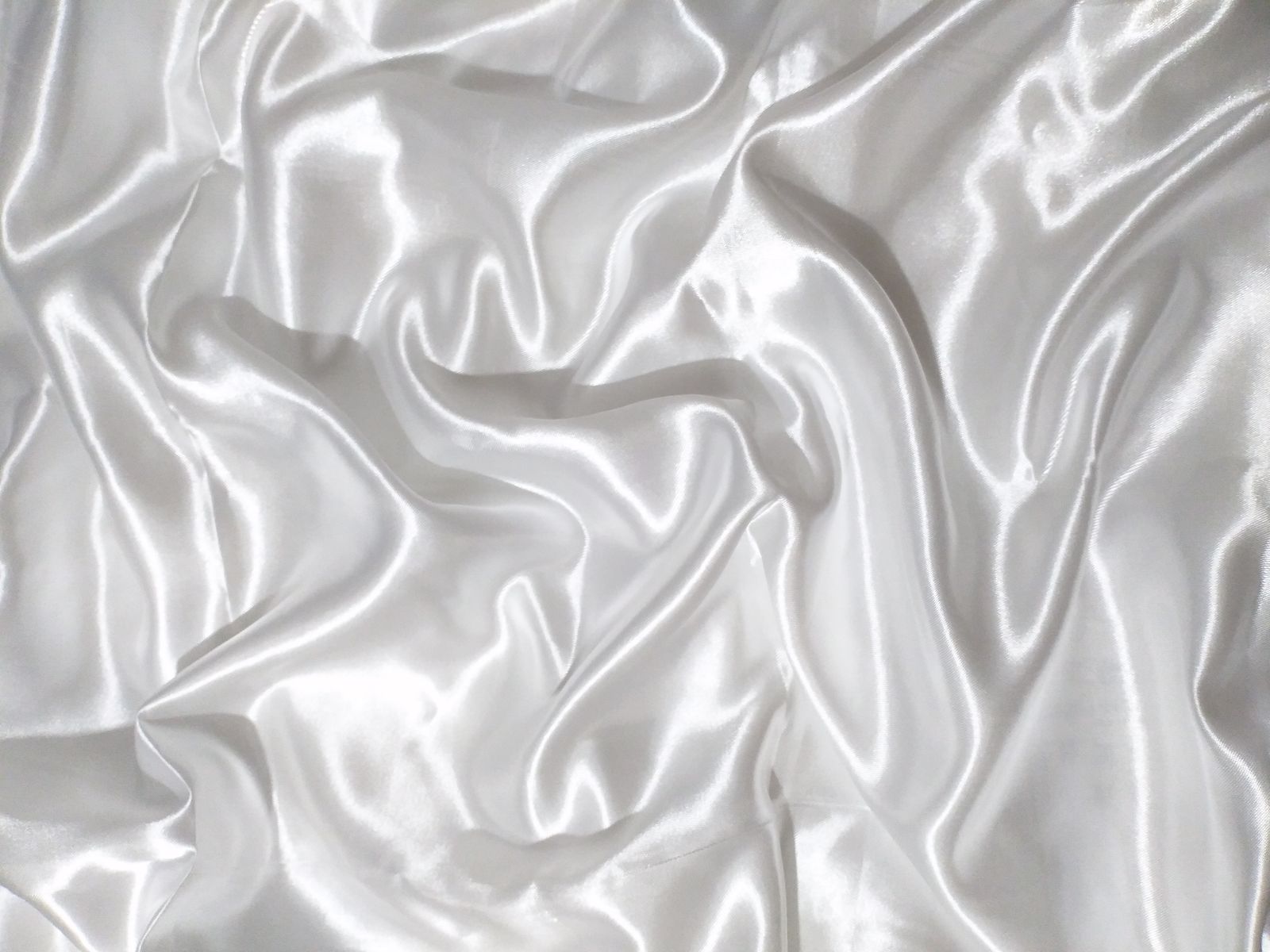
“Silk” is a fibre description, not a complete fabric specification. A buyer still needs to define the composition claim, fabric construction, weight or density reference, usable width, colour, finish and intended garment use. The approved material also has to remain identifiable when the order moves from swatch to sample and from sample to the bulk lot.
What does a silk specification need to say?
Start with the fibre content the finished garment will claim. If the brief calls for 100% silk, record that wording and the supplier's quality or article reference. If a blend is acceptable, state every intended fibre and its percentage rather than using “silk blend” as the whole specification. For US sales, the Federal Trade Commission Textile Fiber Rule requires most textile labels to disclose generic fibre names and percentages by weight, the responsible business identity and the country where the product was processed or manufactured.
The fabric name needs equal care. Terms such as satin, crepe, chiffon and twill describe constructions or surface character; they do not by themselves establish a fibre. “Mulberry silk fabric” can narrow the requested raw material, but it still does not define weight, weave, finish or colour. Link the description to a physical supplier reference so that later approvals concern the same quality.
Also document the commercial unit, usable width and current availability. These details affect consumption and replacement options. A swatch can show hand feel and appearance, but it cannot confirm that enough matching material is reserved for the intended order.
Why can’t appearance prove fibre content?
Gloss, softness and fluid drape are useful observations, but manufactured fibres and different constructions can produce similar visible effects. Fibre content therefore needs documentary or test evidence appropriate to the claim and risk, not a decision from an online image.
A China National Textile and Apparel Council report dated 14 August 2025 summarised a Shanghai Consumer Council comparison of 50 garments marketed as 100% mulberry silk. One sample contained no detected silk, three stated weights differed from measured results, and three exceeded the applicable dimensional-change limit after washing; all 50 met the tested formaldehyde and pH safety requirements. These are findings from that dated 50-item comparison, not a defect rate for all silk clothing. They show why buyers should connect marketing wording to evidence for the exact product.
The FTC's detailed textile-labelling guidance gives a similarly clear boundary: when 3% polyester is intentionally added to silk, the product cannot be labelled 100% silk. That example applies to US labelling; the relevant destination-market rules still need to be checked for each order.

What should a physical silk fabric approval record?
The approval should identify one material, not merely express a visual preference. Keep the supplier or mill reference on the swatch, date the approval and note whether the sample is for colour only, quality only or both. If a buyer approves a digital photograph while waiting for the physical swatch, record that as an interim review rather than final material release.
| Approval field | What to record | Why it matters |
|---|---|---|
| Fibre claim | Stated composition and supporting supplier or test document | Connects the purchase to the intended label claim |
| Material identity | Supplier, article reference, construction and finish | Separates similar-looking qualities |
| Commercial details | Weight or density reference, usable width, colour and purchase unit | Supports consumption and quotation review |
| Garment performance | Drape, opacity, seam and pressing observations; lining decision | Tests suitability in the intended construction |
| Care route | Proposed care instruction and evidence still required | Prevents a fabric-only assumption becoming a garment claim |
| Bulk connection | Lot or roll reference and agreed comparison method | Keeps cutting tied to the approved standard |
Keep retained pieces where practical: the buyer's reference, the supplier or factory reference and the bulk comparison sample should carry the same identity. Shade or finish decisions are easier to resolve when each party is looking at a known physical standard.
Which tests belong in the approval plan?
Choose tests from the claim, garment construction, care route and destination market. ISO/TR 11827:2012 describes procedures for identifying natural and man-made fibres and coordinating identification with quantitative blend analysis. It is a method framework for fibre identification; it does not certify garment quality or set a universal pass limit for a silk style.
Depending on the garment, the plan may also consider dimensional change, colourfastness, seam behaviour, snagging or abrasion, but the method, conditioning, specimen and acceptance criteria should be agreed before testing. A lightweight silk lining, a washed silk blouse and a dark formal dress do not automatically share the same risk or appropriate limit.
Care evidence belongs to the complete garment. The FTC Care Labeling Rule guidance says manufacturers and importers need a reasonable basis for care instructions and must consider the garment and its components. A result for shell fabric alone may not represent its combination with lining, interfacing, trims, print or embellishment.
How should the garment sample change the decision?
A swatch is too small to show the full fall of a skirt, the transparency of a blouse under wear or how a bias area grows. Use the garment sample to review the material at scale. Check whether the pattern, seam type, pressing method, closure and lining work with the selected cloth.
Record puckering, seam slippage, needle marking, shine from pressing or show-through as construction observations rather than hiding them inside a general “quality” comment. If the sample needs a different weight, lining or internal support, revise the material specification and repeat the affected approval instead of treating the first swatch as still valid.
The accepted sample should name the fabric reference it uses. Before cutting, compare the incoming lot to the retained reference and resolve any agreed shade, handle or finish difference. This step connects silk fabric approval to the documented release before bulk cutting.
How does PIPK review a silk sourcing request?
As of 21 September 2026, PIPK asks for the garment reference, intended composition, colour, weight or hand-feel direction, lining needs, quantity and target market before reviewing current material routes. Its Guangzhou fabric-sourcing process shortlists relevant supplier options and uses physical swatch review to narrow the choice before sample development.
PIPK can then connect the selected swatch to the garment sample and record construction issues for review. Supplier availability, material minimums, price, laboratory scope and timing remain project-specific and need current written confirmation. The workflow does not replace destination-market compliance review or an accredited test report where one is required.
Brief for material review
What should the buyer send?
A defined brief helps a silk clothing manufacturer compare the intended claim and garment use with a current supplier option.
- Garment reference, tech pack or sketch showing the intended silhouette and construction
- Exact fibre claim, including whether 100% silk, a named silk type or a blend is required
- Target colour, appearance, hand feel, weight or density and opacity
- Physical reference swatch with supplier and article information, if available
- Lining, interfacing, print, wash, embellishment and pressing requirements
- Tests, care route and acceptance criteria required by the brand or target market
- Order quantity, colour split, delivery window and destination market
- Named approver and the evidence needed before sample and bulk release
For dimensional-change planning, see the fabric shrinkage test guide. The garment quality-control page explains how incoming material and production checks sit within a wider approval sequence.
Useful silk fabric sourcing produces a traceable decision: a defined fibre claim, an approved physical material, a garment sample made in that quality and a bulk lot compared before cutting. Send PIPK the garment, material and approval requirements for a project-specific review.
Further reading
Sources
These sources support the composition, method and care boundaries above. They do not set one universal fabric specification, test limit or PIPK commercial term.
China National Textile and Apparel Council: Shanghai Consumer Council silk-garment comparison summary, 14 August 2025 US Federal Trade Commission: Textile Fiber Rule US Federal Trade Commission: Threading Your Way Through the Labeling Requirements International Organization for Standardization: ISO/TR 11827:2012, fibre identification US Federal Trade Commission: Care Labeling Rule guidance