
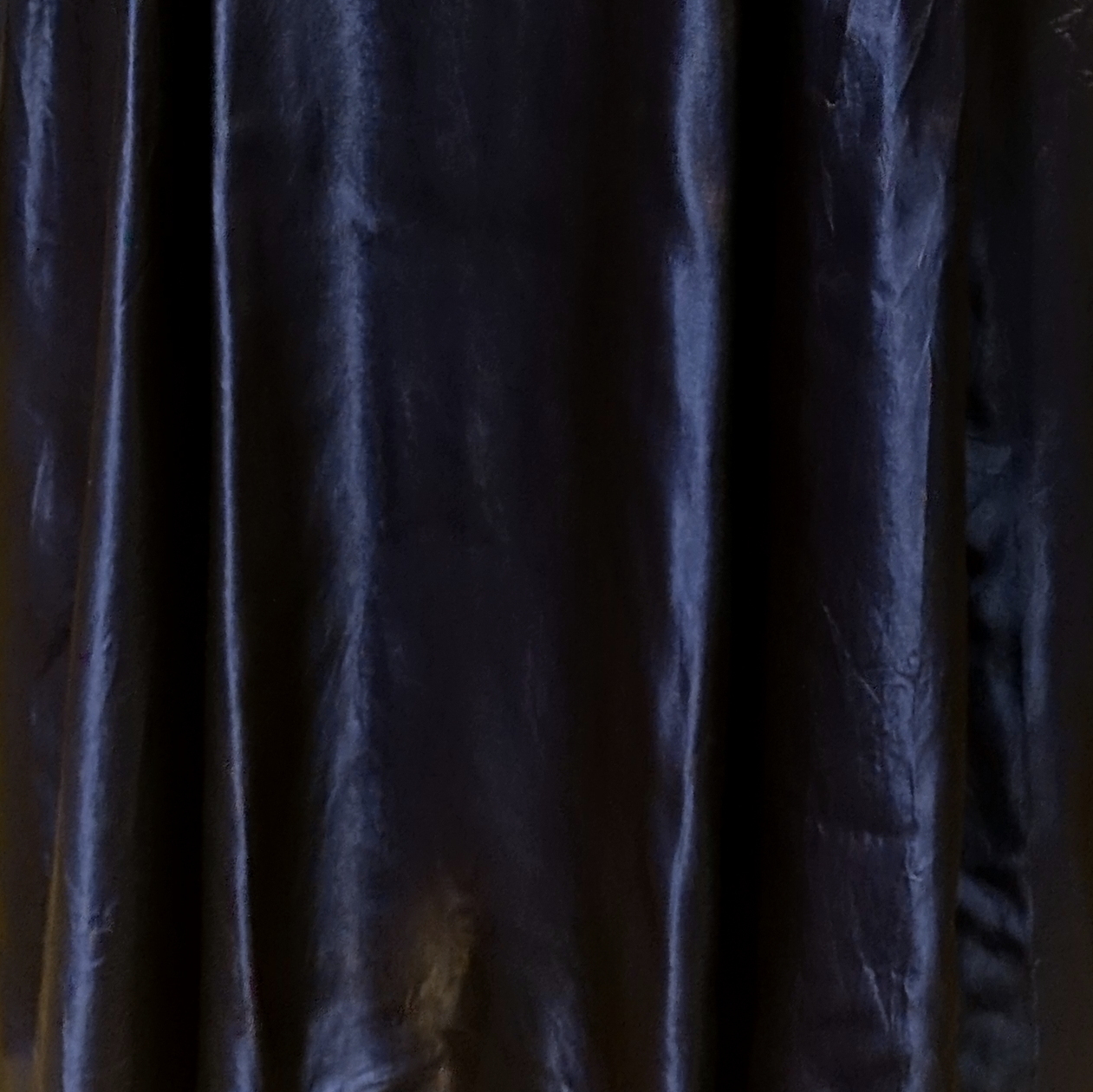
“Acetate” identifies a fibre, not one repeatable fabric. Two qualities can differ in fibre percentage, yarn, weave, weight, finish, shade, usable width and intended use. The buyer's job is to connect the commercial name to an identifiable cloth, prove that cloth in the garment and preserve the connection when bulk material arrives.
What should an acetate fabric sourcing brief specify?
Start with the garment outcome and where the material will sit. A fluid dress shell, a jacket lining and a structured blouse do not ask the same questions of opacity, seam support, pressing or skin contact. State the silhouette, target market, season, colour, intended care route and whether the quality is the shell, lining, facing or another section.
Then identify the material. Request the generic fibre name and percentage, supplier or mill reference, woven or knitted construction, weight or density reference, usable width, finish, colour reference and lot information. If the offer is a blend, record every declared fibre rather than allowing “acetate blend” to stand as the complete description.
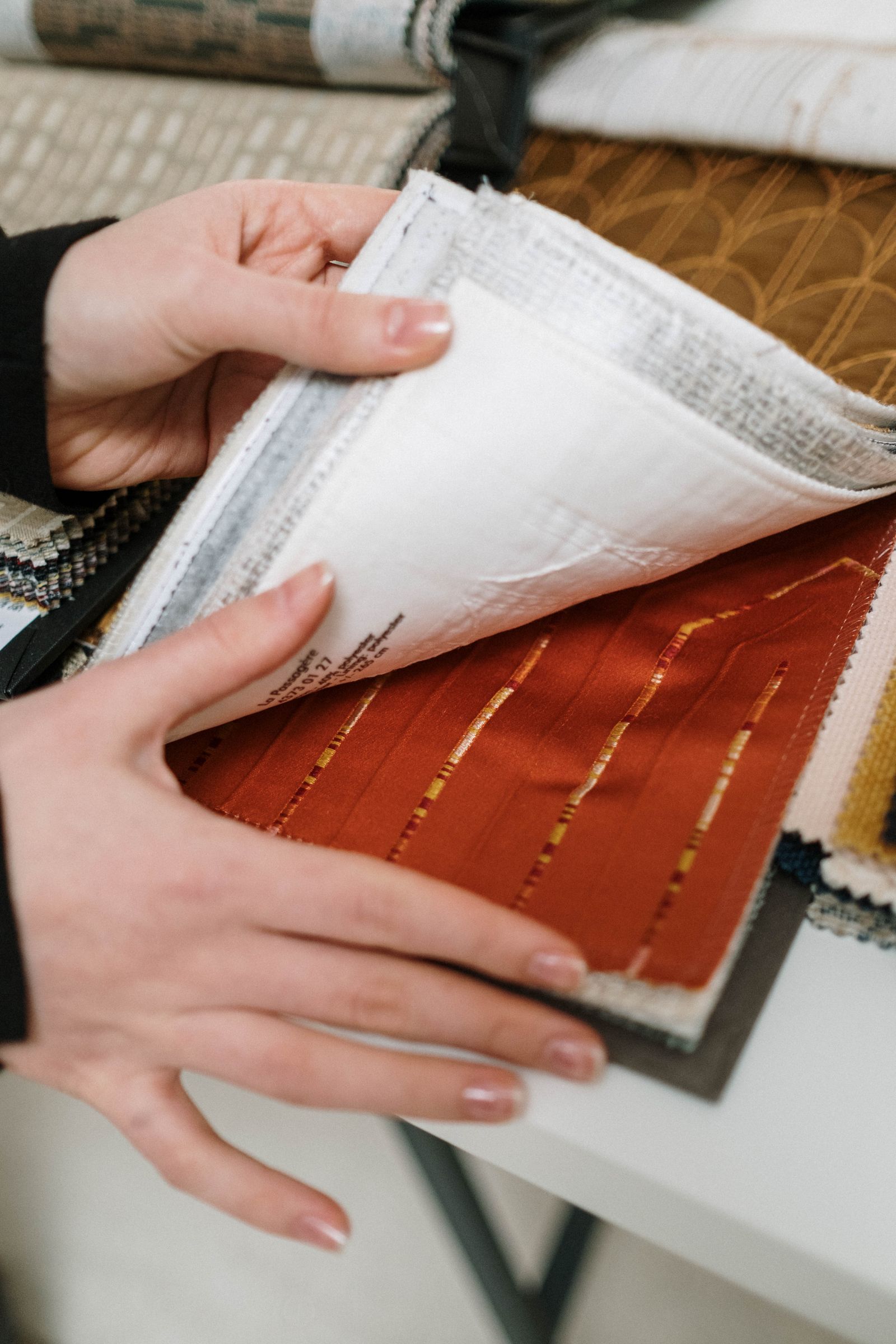
A physical cutting should be large enough to review both face and reverse, fold the cloth, place it over the intended lining or skin-tone reference, and run a small sewing and pressing trial. A screen image may help shortlist colour, but it cannot control lustre, handle, show-through or the way the surface responds to light.
Are acetate and triacetate the same fibre?
No. The names should be treated as separate specification fields, not interchangeable marketing language. EU Regulation No 1007/2011 defines acetate as cellulose acetate fibre in which less than 92% but at least 74% of the hydroxyl groups are acetylated, while triacetate is at least 92%. Those figures define the legal fibre names in that regulation; they do not guarantee one drape, care method or garment result.
The practical buyer question is therefore not “Is it acetate?” but “Which generic fibre name and percentage apply to this supplier reference?” The acetate vs triacetate distinction belongs in the material specification, not in visual guesswork. A trade name, collection name or Chinese market description can sit beside that answer, but should not replace it. If the offered quality changes from acetate to triacetate, or from a single fibre to a blend, repeat the affected material, label and sample decisions.
| Approval object | What it establishes | What it does not establish |
|---|---|---|
| Supplier specification | Declared fibre name, percentage, construction, finish, width and reference | The final drape, fit or care result |
| Physical swatch | Colour, lustre, hand, opacity and a comparison standard | That matching bulk stock is reserved |
| Sewing and pressing trial | How the selected quality responds to the proposed construction | Approval of every seam, component or production setting |
| Garment sample | Material behaviour at full scale with lining, seams, closures and support | That a later lot or substitute will match |
| Bulk-lot record | The material presented for the production order | Permission for unreviewed substitutions |
What should acetate fabric approval record?
The approval record should say whether the swatch controls quality, colour, finish or all three. Keep the supplier reference attached, date the decision and identify the approver. When appearance is important, review the cloth flat, folded and moving under agreed lighting because a smooth surface can look different as the angle changes.
A 2018 Textile Leader article supervised by the China National Textile and Apparel Council describes textile acetate filament in apparel fabrics and linings and notes lustre, smooth handle, drape and thermoplastic behaviour. That industry overview explains why buyers encounter acetate in both shell and lining uses, but it is not a performance certificate for a specific roll. The physical supplier quality and intended garment still need their own evidence.
Record the surface and construction observations that matter to the style: opacity over the intended base, directional lustre, snag or pull risk, fraying, seam impression, edge bulk, marking from needles or pins, and visible change after the proposed pressing route. Turn each critical observation into an agreed method or comparison rather than relying on a general instruction to “handle carefully.”
What should the garment sample prove?
Use the sample to review the cloth at scale. For a dress or blouse, check how the fabric falls across curved areas, whether seams pucker or open under movement, whether the selected lining changes drape, and whether closures or facings show through. For an acetate lining fabric, review slip over the underlayer, sleeve entry, hem movement, static or cling observations, seam allowance coverage and comfort at the skin.
Pressing belongs in development because the finished surface must be repeatable. Trial the supplier's handling guidance on the selected quality and record the pressing method that produced the approved appearance. If the sample shows shine, seam impressions, flattening, distortion or colour change, resolve the material-and-process combination before bulk rather than treating final pressing as a repair step.
The proposed care route must also be tested on the complete garment. Shell, lining, interfacing, thread, trims, print, decoration and adhesives can impose different limits. A fabric claim or supplier instruction does not by itself provide a reasonable basis for the finished garment's care label.
Which composition and labelling evidence should buyers keep?
Keep the supplier declaration, purchase reference, physical swatch, any agreed test report and final label copy connected to the same material. For products sold in the United States, the Federal Trade Commission's textile labelling guide requires manufactured fibres to use recognised generic names and lists acetate and triacetate. It generally names fibres that make up 5% or more of fibre weight, with stated exceptions for smaller functional amounts.
The FTC guide also describes a 3% tolerance for most fibre-content claims, but says it does not permit knowing misstatement and cannot justify a “100%” claim when another fibre was intentionally added. EU Regulation No 1007/2011 separately requires constituent fibre names and percentages in descending order and reserves “100%,” “pure” or “all” for a product composed exclusively of one fibre. The destination market determines the applicable rule, so buyers should confirm current legal and customer requirements rather than copying one label across markets.
How should the approved quality move into bulk production?
Book the exact supplier quality and colour, then compare the delivered lot with the retained reference before cutting. Confirm roll or lot identity, usable width, shade and lustre grouping, visible faults and any direction that affects marker planning. If more than one lot is required, agree how panels and garment sets will be controlled.
Choose tests from the garment's real risks and destination-market requirements. The specification should name the method, sample source, responsible party and acceptance criteria. One fibre-content result cannot answer seam slippage, dimensional change, colourfastness or abrasion, and one fabric result cannot approve fit, lining behaviour or complete-garment care.
When a substitute is offered, compare composition, fibre name, construction, weight, width, finish, colour, performance evidence and sample behaviour. A replacement that looks similar in a photograph may sew or press differently, so written change approval should state whether a new sewing trial, fit sample or pre-production sample is required.
How does PIPK review an acetate sourcing request?
As of 5 October 2026, PIPK's published Guangzhou fabric-sourcing workflow includes acetate among project-specific material directions and asks buyers to compare composition, weight, usable width, supplier minimum, physical swatches and garment performance. Its custom womenswear development process connects material drape, opacity and pressing response to the pattern and seam treatment.
PIPK can review a buyer-supplied acetate quality or source alternatives for a defined womenswear style, then connect the selected swatch to the sample and production reference. Exact fibre percentage, supplier minimum, available colour, price, testing, quantity and timing depend on the current material route and garment; each requires written confirmation for the project.
Brief for material review
What should the buyer send?
- Garment sketch, reference or tech pack with the material's intended position
- Required generic fibre name and percentage, including whether acetate or triacetate is intended
- Physical swatch or supplier reference with colour, finish and construction details
- Target weight or density, usable width, opacity, lustre and hand-feel direction
- Lining, interfacing, seam, closure and pressing requirements
- Destination market, label wording, proposed care route and required evidence
- Tests and acceptance criteria selected for the actual garment risks
- Target quantity, colour split, delivery window and named material approver
Use the fabric approval process to separate swatch, test and bulk-lot decisions. The sample-development workflow explains how material and construction comments become a production reference, while the quality-control checkpoints cover incoming material, workmanship and finishing.
Reliable acetate fabric sourcing links the exact fibre claim and physical reference to the garment sample, approved care route and actual bulk lot. Send PIPK the style, material direction, target market and approval requirements for a project-specific review.
Further reading
Sources
These sources support the fibre-name, application and labelling boundaries above. They do not establish one universal fabric specification, garment test limit or PIPK commercial term.
Textile Leader, supervised by the China National Textile and Apparel Council: acetate fibre overview, 22 August 2018 US Federal Trade Commission: textile fibre-content, generic-name and tolerance guidance EUR-Lex: Regulation (EU) No 1007/2011, consolidated 15 February 2018