
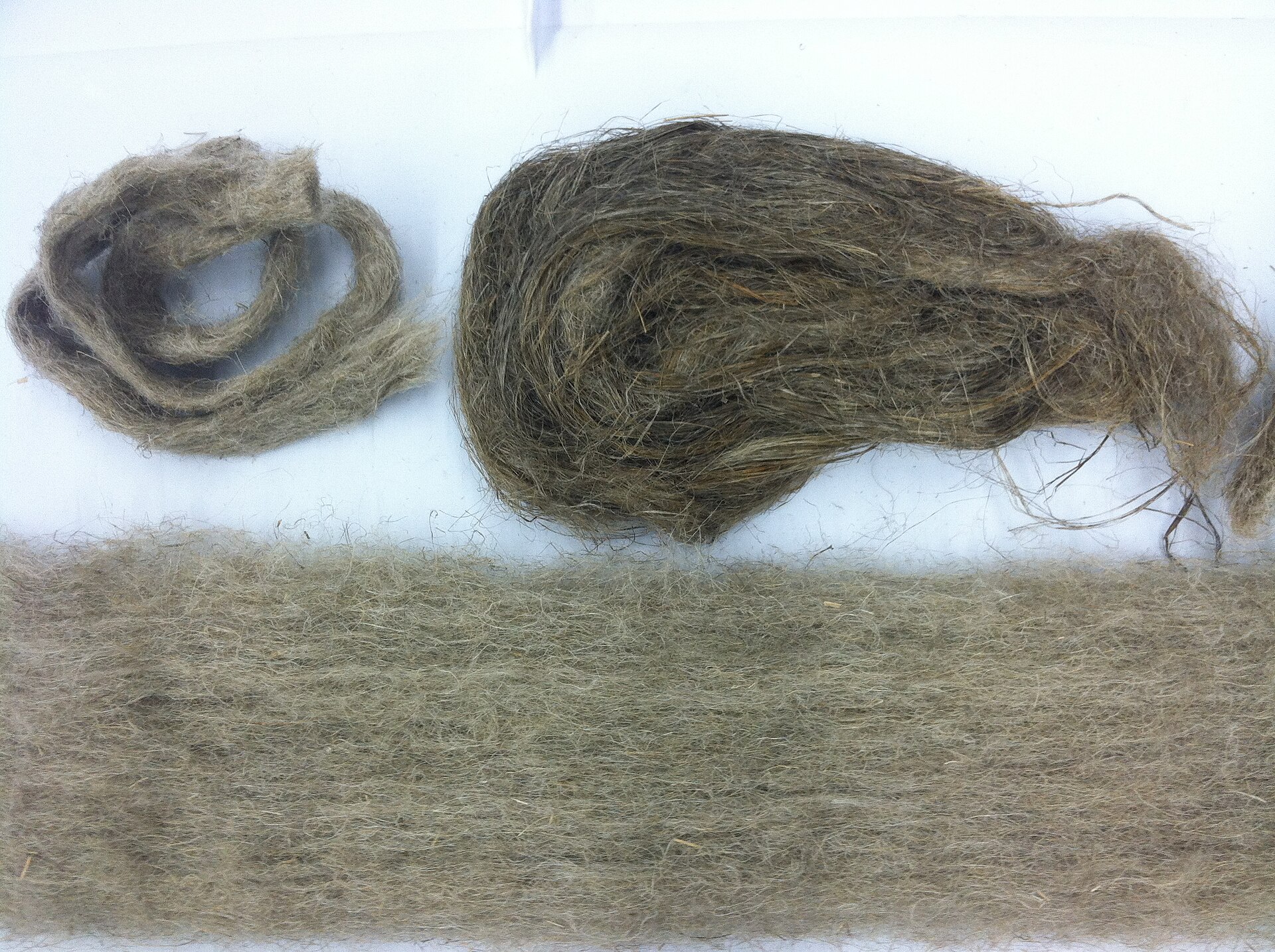
“Linen” does not identify one repeatable garment fabric. Pure linen and linen blends can differ in yarn, weave or knit, weight, slub character, colour, finish, opacity and response to laundering. A useful approval chain connects the declared composition to a physical reference, proves that reference in the garment and checks that the production lot still matches.
What should a linen fabric sourcing brief specify?
Begin with the garment, not a fibre adjective. When briefing linen fabric for womenswear, state the silhouette, season, target market, intended care route and whether the cloth will be used for a dress, blouse, trouser, jacket, lining or trim. Describe the required drape, body, opacity, surface texture and acceptable variation rather than asking for “natural linen” without a measurable or visible reference.
Then request the supplier reference, declared fibre percentages, woven or knitted construction, weight basis, usable width, colour and finish. If the offer is a blend, record every declared fibre and keep the exact proportions attached to the swatch and quotation. Ask which details are supplier declarations and which have independent test evidence.
The physical cutting should be large enough to view both sides, assess the slub pattern across an area, fold the fabric, place it over the intended skin-tone or lining reference, and run sewing and pressing trials. A phone photograph can help shortlist colour, but it cannot approve hand feel, opacity, crease recovery, seam response or dimensional stability.
Does “linen” always mean pure flax fibre?
No. “Linen look,” a linen blend and a pure-linen declaration are different claims. EU Regulation No 1007/2011 defines “flax (or linen)” as fibre obtained from the bast of the flax plant, Linum usitatissimum. It reserves “100%,” “pure” and “all” for products composed exclusively of one fibre, subject to the regulation's stated allowances.
The same EU regulation permits the name “cotton linen union” only for a fabric with a pure cotton warp and pure flax weft when flax is at least 40% of the total unsized fabric weight; the accompanying composition wording is also prescribed. That 40% figure is a market-specific naming condition, not a quality grade, comfort promise or performance threshold.
| Approval object | What it establishes | What it does not establish |
|---|---|---|
| Supplier declaration | Stated fibre percentages, construction, width, finish and reference | Garment performance or legal compliance in every market |
| Physical swatch | Colour, texture, hand, opacity and comparison standard | That matching stock is reserved for production |
| Sewing and pressing trial | Response to the proposed seam, needle and finishing route | Fit or care approval for the complete garment |
| Garment sample | Drape, coverage, movement and appearance at full scale | That a later material lot or substitute will match |
| Bulk-lot record | The material actually presented for cutting | Permission for an unreviewed change |
What should linen fabric approval record about texture and wrinkles?
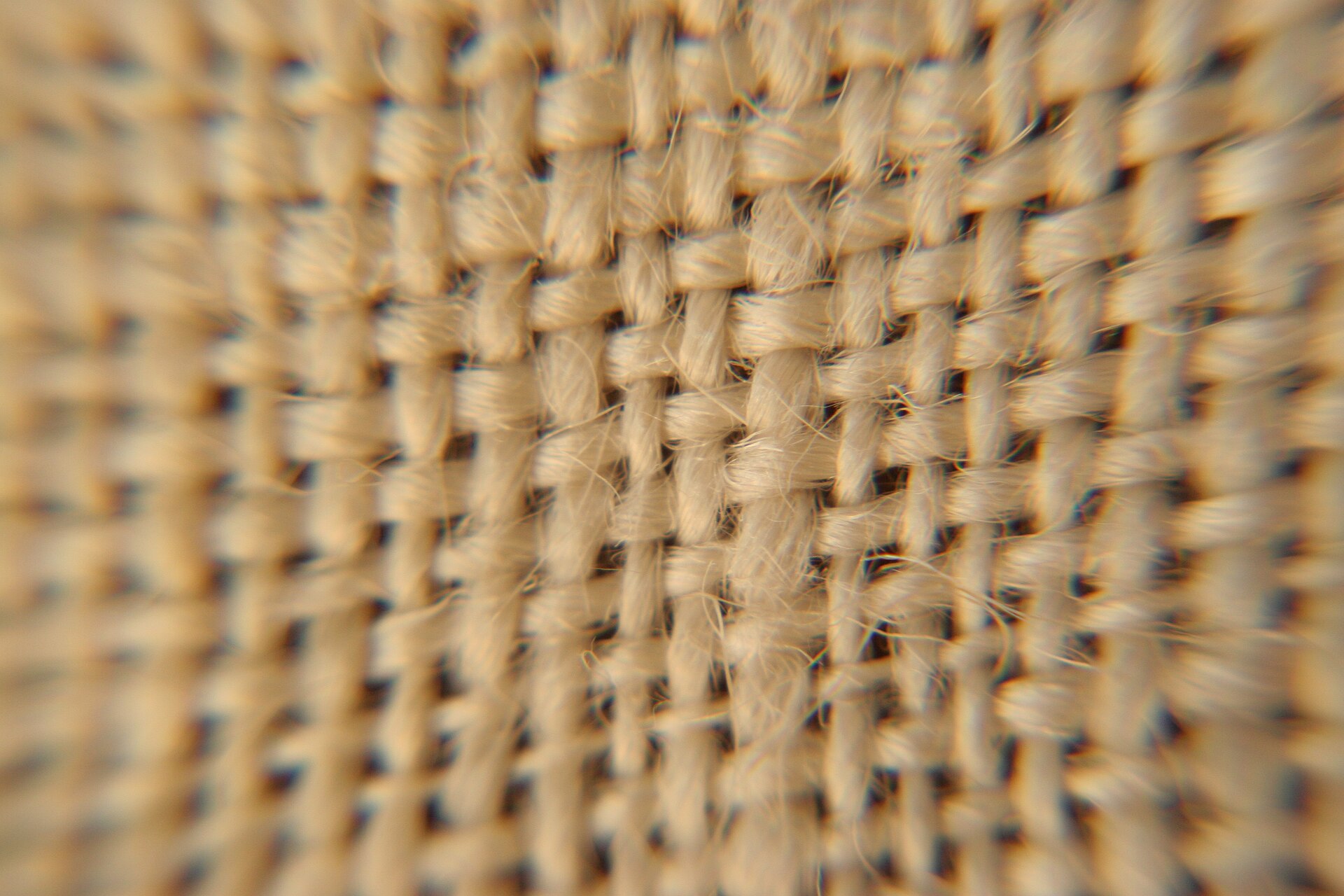
Approve what is intentional and what would be treated as a defect. Record the acceptable yarn irregularity, slub distribution, surface hairiness, crease character, shade variation and finish against a retained swatch or garment. Review the cloth flat, hanging and moving because a surface that reads as natural texture in one view can appear as streaking or unevenness in another.
The sample should show how the material behaves at darts, curved seams, waistbands, pockets, facings, hems and closures. Check whether seam allowances or underlayers show through, whether pressing changes the surface, and whether stress opens the weave at fitted areas. If the design depends on a relaxed crease, confirm the acceptable appearance after the proposed finishing and packing route instead of using “wrinkled is normal” as an unlimited tolerance.
Colour approval also needs an identifiable reference. Note whether the approval covers lab dip, stock shade or a specific roll, and check the face and reverse under agreed lighting. For more than one roll or dye lot, decide how shade grouping will be handled within panels and garment sets.
Can a fibre name predict linen fabric performance?
No. Fibre content is one input, while yarn, construction, finishing and garment design also affect the result. A 2024 Textile Leader study published under the supervision of the China National Textile and Apparel Council compared five flax-rich knitted blends. Different specimens led on different measured properties: the flax/polyester/PTT sample had the highest reported pilling grade and tensile breaking strength, the flax/cotton/lyocell sample had the highest reported air permeability, the flax/cotton sample had the highest reported wicking height, and the flax/wool/cotton sample had the highest reported evaporation rate.
Those results belong to five laboratory-prepared constructions in that study; they are not universal targets for woven linen, every blend or a finished garment. Their useful buyer lesson is narrower: changing the blend and construction can change which performance trade-off is strongest. A supplier's composition line therefore cannot replace testing of the proposed material and product.
How should linen shrinkage testing be specified?
Name the washing and drying procedure, number of cycles, measurement method, sample source and acceptance criteria. ISO 6330:2021 specifies domestic washing and drying procedures for textile testing, including machine, detergent, ballast and drying choices. ISO 5077:2007, last confirmed by ISO in 2022, specifies how dimensional change is determined after an appropriate combination of washing and drying procedures.
These standards provide methods, not a universal pass limit for linen womenswear. The buyer and supplier still need to agree the applicable care route and acceptance criteria for the specific fabric or garment. Record length and width results separately, and note any visible change in skew, seam puckering, surface, shade, hand or garment shape after treatment.
Test the complete garment when components can interact. Lining, interfacing, thread, zips, elastic, labels, decoration and pressing can respond differently from the shell cloth. A fabric-only result does not establish the final care instruction or prove that the assembled garment will keep its approved fit and appearance.
What should be checked before bulk linen is cut?
Compare the delivered lot with the retained fabric and approved garment sample. Confirm supplier reference, declared composition, construction, usable width, weight basis, colour, finish, lot identity and roll count. Review shade, slub character, width consistency and visible faults across the material presented for the order.
Keep the fabric direction and garment construction linked. If nap-like surface variation, yarn direction, stripes, checks or shade grouping affects marker planning, record it before cutting. If the received width, shrinkage result or visible variation changes the pattern or consumption assumption, pause release and update the production decision rather than absorbing the difference silently.
A substitute requires a new comparison. Review the changed composition, yarn, construction, weight, width, finish, colour, performance evidence and sample behaviour. Written change approval should say whether a new cutting, sewing trial, fit sample or pre-production sample is required.
How does PIPK review a linen sourcing request?
As of 12 October 2026, PIPK's published Guangzhou fabric-sourcing workflow asks buyers to define composition, weight, usable width, hand feel, drape, opacity, colour, finish, supplier minimum and physical approval. The same page identifies linen-specific questions around weight, slub character, opacity, dimensional stability and shrinkage behaviour.
PIPK can review a buyer-supplied linen quality or source alternatives for a defined womenswear style, then connect the selected swatch to sample development and the production material record. Exact composition, supplier minimum, available colour, price, testing, quantity and timing are project-specific current terms and require written confirmation for the actual fabric and garment.
Brief for material review
What should the buyer send?
- Garment sketch, reference or tech pack with the material's intended position
- Required fibre percentages and whether pure linen or a defined blend is intended
- Physical swatch or supplier reference with colour, finish and construction details
- Target weight basis, usable width, opacity, texture and hand-feel direction
- Acceptable slub, crease, shade and surface-variation references
- Seam, lining, interfacing, closure, pressing and packing requirements
- Destination market, proposed care route, test methods and acceptance criteria
- Target quantity, colour split, delivery window and named material approver
Use the fabric approval process to separate swatch, test and bulk-lot decisions. The fabric shrinkage guide explains how to connect dimensional change with pattern and care choices, while the sample-development workflow carries material and construction comments into a production reference.
Reliable linen fabric sourcing links the declared fibre content and physical reference to the garment sample, specified care test and actual bulk lot. Send PIPK the style, material direction, target market and approval requirements for a project-specific review.
Further reading
Sources
These sources support the composition, comparative-study and test-method boundaries above. They do not establish one universal fabric specification, garment pass limit or PIPK commercial term.
Textile Leader, supervised by the China National Textile and Apparel Council: performance study of five flax-rich knitted blends, 13 September 2024 ISO 6330:2021: domestic washing and drying procedures for textile testing ISO 5077:2007: determination of dimensional change in washing and drying EUR-Lex: Regulation (EU) No 1007/2011, consolidated 15 February 2018