
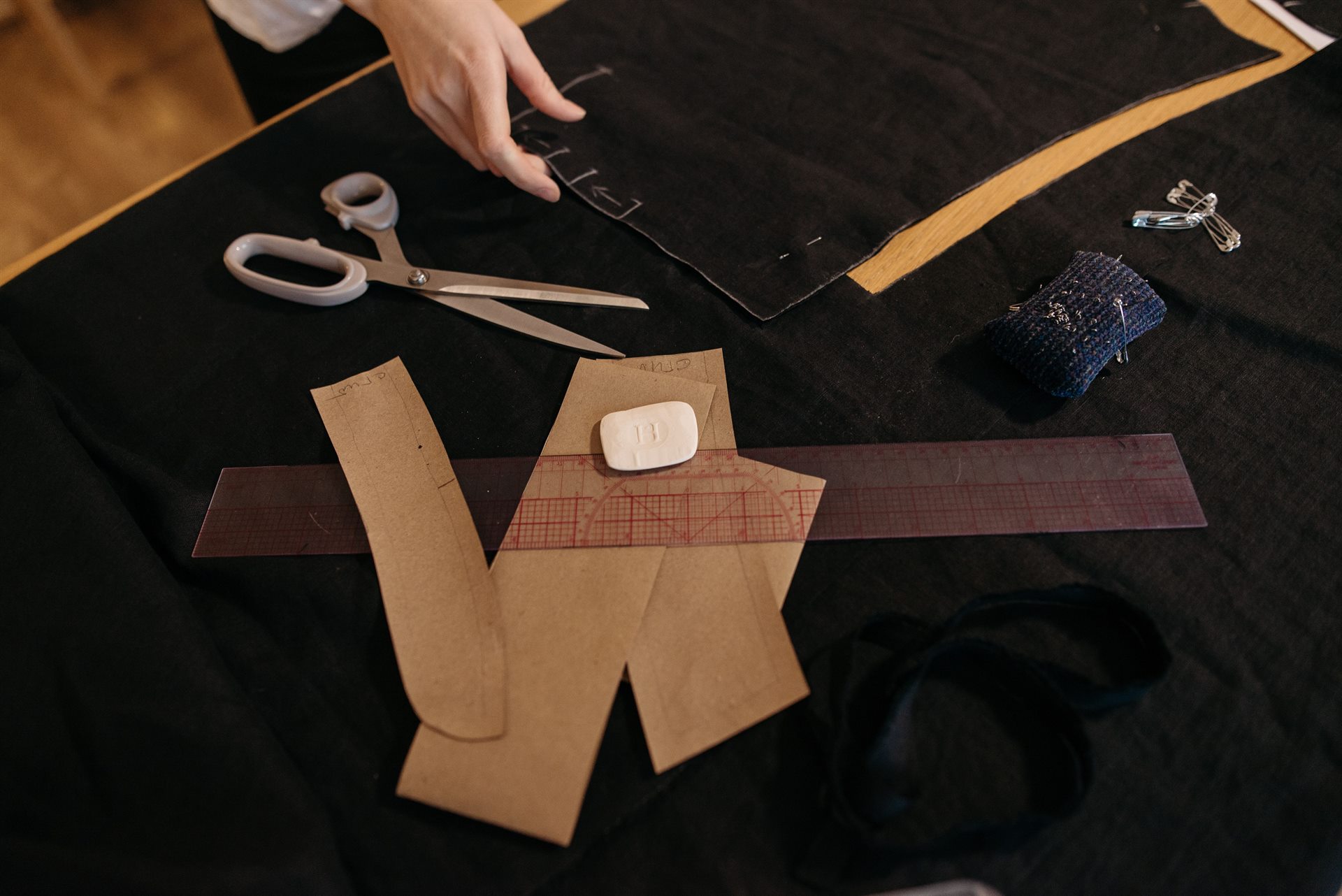
A custom garment pattern is a production instruction, not only a drawing of the design. It translates the intended fit, fabric behaviour, construction method and size range into pieces that can be cut, sewn, corrected and repeated. Buyers protect the order by approving the pattern through visible garment evidence, not by treating the first file as final.
What does custom pattern making include for a womenswear style?
It normally begins with a design brief, reference sample, sketch or tech pack. The development team defines the base size, intended silhouette, finished garment measurements, seam structure and construction sequence, then prepares the first pattern for sampling. In practical apparel pattern development, the pattern is reviewed together with the material and sewing method because fabric stretch, drape, thickness and pressing response can change the final fit.
A pattern approval record should identify the version being used. If a buyer reviews a first sample, sends fit comments and approves a corrected second sample, the final digital pattern should match that corrected version. Ambiguity appears when a quotation says "pattern included" but does not state whether the deliverable is the first draft, the approved production pattern, grading or the file format needed for future reuse.
For a custom womenswear order, ask which parts are included: base-size pattern, sample pattern, corrected production pattern, grading, marker information, final tech pack and file handover. Those are related deliverables, but they should not be assumed to be identical.
Can body-measurement standards replace a garment spec?
No. ISO 8559-1:2017 provides anthropometric measurement definitions and guidance for body size and shape profiles in clothing. That helps teams discuss body measurement points consistently, but it does not provide a finished garment specification, ease amount, brand fit or sample approval decision.
ISO 8559-2:2025 specifies primary and secondary dimensions for a size designation system based on body measurements. It helps describe sizing systems; it does not tell a brand how much wearing ease, design ease or grading rule to use for a specific dress, blazer, trouser or corset-inspired style. ISO 8559-3:2018 supports methodology for body measurement tables and intervals, not a universal formula for a finished garment pattern.
The buyer still needs a style-specific measurement chart. Record finished garment measurements, tolerances, fabric and trim assumptions, construction notes and which measurements are critical for the silhouette. A woven tailored jacket, soft blouse and fitted evening dress can start from the same body size label and still need different pattern decisions.
What should buyers approve before the pattern is treated as current?
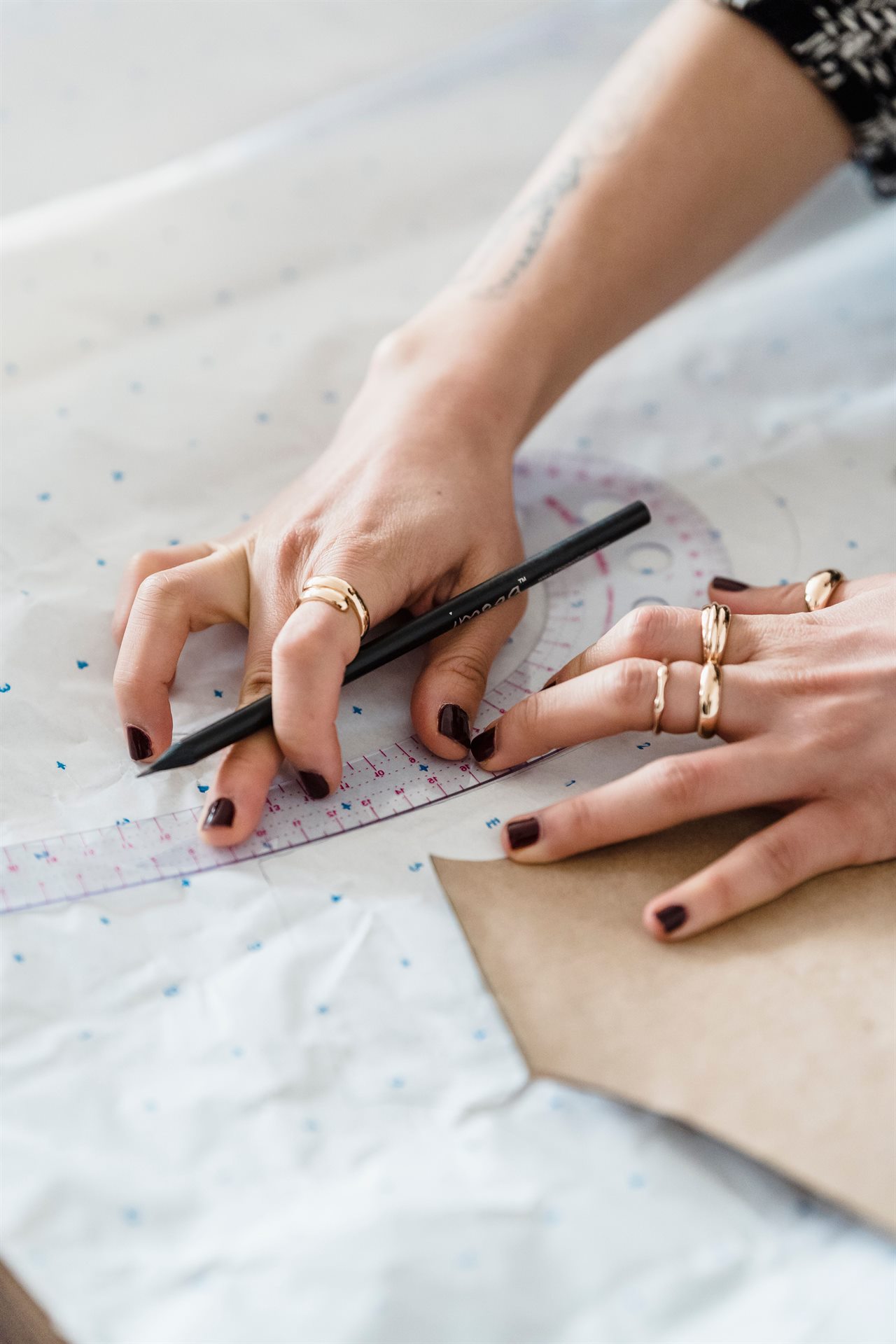
Approve the visible garment and the technical record together. The most useful approval point is a sample that has been reviewed on the intended body or fit model, measured against the chart, checked in movement and compared with the required construction. The pattern then becomes current only after the agreed corrections have been transferred back into the file.
| Approval object | What the buyer should check | Common risk if skipped |
|---|---|---|
| Base size | Fit model, body reference, intended ease and key finished measurements | The sample is judged against the wrong body or size expectation |
| Fabric and construction | Shell, lining, interfacing, stretch, thickness, support layers and seam method | The pattern works only in a different material or sewing route |
| Fit sample corrections | One consolidated list with photos, measurements and priority comments | Separate comments conflict or are only partly applied |
| Production file version | Pattern version, date, measurement chart, tolerances and approved sample reference | Cutting uses an outdated draft or unapproved correction |
| Grading range | Sizes included, grade review method and critical measurements across the range | The approved base size is scaled without checking proportion risk |
How should fit sample corrections be sent?
Send one consolidated correction list after the sample has been reviewed. Include front, side, back and detail photos, measured points, the fit model or mannequin reference, and clear notes about what is fit, construction, fabric behaviour or a new design choice. A comment such as "make it better" is too broad; a useful comment says which area changes, by how much, and whether the visual shape or movement is the priority.
Separate minor corrections from major redesign. Shortening a hem, adjusting waist suppression or refining a sleeve opening may be handled inside the agreed sample revision route. Changing the silhouette, support structure, fabric behaviour or closure position can require a new pattern assessment and sometimes another sample. Production pattern approval should not move forward while open corrections remain unresolved.
What does production pattern approval mean before bulk cutting?
Production pattern approval means the buyer and supplier can identify the pattern version that corresponds to the approved sample and current order details. It should carry the final measurements, tolerances, grading range, fabric and trim references, construction notes, approved substitutes and any remaining limits. If the buyer approves the sample but the pattern file is not updated, the bulk order can repeat the wrong version.
A documented digital pattern workflow can also connect measurement data, base patterns, body shape, fabric, style decisions and the files used for cutting. A 2022 China National Textile and Apparel Council article describes one digital custom-pattern case in which body data is converted to finished measurements, linked with base patterns, fabric and style choices, and then passed into pattern and marker files for cutting. That article is a useful example of documentation flow; it is not proof that every factory or every garment category uses the same system.
For production, ask how changes are controlled after approval. If fabric width, shrinkage, lining, support, decoration, size range or order quantity changes the pattern or marker assumption, the updated decision should be reviewed before cutting rather than absorbed silently in production.
How does PIPK scope custom pattern work?
As of 14 October 2026, PIPK's current published sample-development scope for custom womenswear can include pattern making, sample development, fitting corrections, the final tech pack, final digital patterns and grading for the agreed size range. Exact scope, file format, timing, revision boundary, quotation terms and project deliverables are confirmed in writing for the actual style.
PIPK can work from sketches, reference images, tech packs or an existing sample, then connect the pattern route with custom womenswear pattern development, sample development and sample approval before production. For tailored or structured garments, review the pattern together with support layers, lining, pressing and movement; the tailoring capability page explains those checks in more detail.
Brief for pattern approval
What should the buyer send?
- Design sketch, reference photos, tech pack or existing sample with front, back and detail views
- Target customer, base size, fit model or body-measurement reference
- Finished garment measurements, tolerances and any critical points of measure
- Fabric, lining, interfacing, trim, closure and decoration requirements
- Fit sample photos with one consolidated list of corrections
- Required size range, grading priorities and any size-set review request
- Final file expectations, including format, ownership handover and confidentiality requirements
- Production quantity, colour split, delivery target and named approver for production release
For the production handover, connect the approved pattern to garment quality-control checkpoints, fabric and trim references, and the final order details. If the style depends on fabric sourcing or replacement material, review the fabric approval before bulk cutting guide before releasing the pattern to production.
A reliable custom pattern is the current technical expression of the approved garment. Send PIPK the style brief, base size, material direction, correction notes and production goals so the pattern, sample and bulk approval route can be scoped clearly.
Further reading
Sources
These sources support the measurement, size-designation and documented-workflow boundaries above. They do not establish one universal garment fit, grading rule, production tolerance or PIPK commercial term.
China National Textile and Apparel Council: documented digital custom-pattern workflow case, 15 February 2022 ISO 8559-1:2017: size designation of clothes, anthropometric definitions for body measurement ISO 8559-2:2025: primary and secondary dimensions for size designation based on body measurements ISO 8559-3:2018: methodology for body measurement tables and intervals