What are the main functions of a garment factory?
Aug 31,2025
Garment factories are pivotal to the global fashion and textile industry, serving as the backbone of mass production for a wide array of clothing and textile goods. But what exactly happens inside a garment factory, and what are its key functions? Whether you’re a fashion enthusiast, aspiring entrepreneur, or just curious, understanding the inner workings of a garment factory reveals how clothes transition from an initial design concept to the apparel on store racks. In this in-depth blog post, we’ll uncover the main functions of a garment factory, showcasing the essential steps and operations that drive large-scale clothing manufacture.
Introduction
Garment factories are specialized facilities dedicated to manufacturing clothing on a large scale. These factories play a crucial role in the fashion supply chain, transforming raw materials into finished garments that reach consumers around the world. While technologies, workflows, and managerial styles may differ between factories, all share a set of core functions: design, sourcing, cutting, sewing, finishing, inspection, and shipping. Understanding these functions provides valuable insight into what it takes to bring a garment to life.
Design and Product Development
The journey of every garment begins with design and product development. Contrary to popular belief, garment factories don’t just sew clothes; many have in-house teams that work closely with brands, retailers, and merchandisers to translate fashion trends into tangible products.
Key Activities:
- Trend Analysis: Designers forecast styles and colors, often in collaboration with clients, to create products that will appeal to target markets.
- Technical Drawings & Prototypes: Design teams create technical sketches and develop prototypes for approval.
- Sample Making: Factories produce initial samples, revise them per client feedback, and finalize development before mass production begins.
Design and product development set the stage for every subsequent operation, aligning the factory’s output with market demands and client specifications.
Sourcing and Procurement
Once the design is finalized and approved, the next critical function is sourcing materials. The choice of fabric, trims (zippers, buttons), and accessories directly impacts the quality and aesthetics of the finished garment.
Key Activities:
- Supplier Relations: Factories maintain strong relationships with trusted suppliers to ensure timely delivery of high-quality raw materials.
- Negotiation: Procurement teams negotiate prices, choose suitable vendors, and secure materials in bulk.
- Quality Assurance: Materials undergo strict quality checks to ensure they meet the required standards before moving on to the next stage.
Effective sourcing and procurement streamline production timelines and prevent costly delays or material shortages.
Pattern Making and Grading
The transition from imagination to production involves creating detailed patterns based on design prototypes. This stage is critical in ensuring consistency, fit, and manufacturability.
Key Activities:
- Pattern Development: Expert pattern makers create templates for different parts of the garment (e.g., sleeves, collars).
- Grading: Patterns are scaled up or down to produce various sizes, ensuring a consistent fit range.
- CAD Systems: Many factories employ Computer-Aided Design (CAD) software to enhance accuracy and efficiency.
Pattern making and grading bridge the gap between design intent and manufacturable reality, laying the groundwork for large-scale production.
Cutting
Fabric cutting transforms rolls of fabric into precisely shaped pieces that will be sewn together. This is a high-stakes operation—any error can lead to wasted material and production delays.
Key Activities:
- Fabric Laying: Fabric is spread out in layers, aligned according to markers that dictate where cuts should fall.
- Manual vs. Automated Cutting: Depending on scale and budget, factories use manual cutting tools (scissors, knives) or automated machines (laser, die-cut).
- Quality Checks: Cut pieces are inspected for defects and accuracy before proceeding to sewing.
Efficient cutting minimizes fabric waste and maximizes productivity, directly impacting the factory’s profitability.
Sewing and Assembly
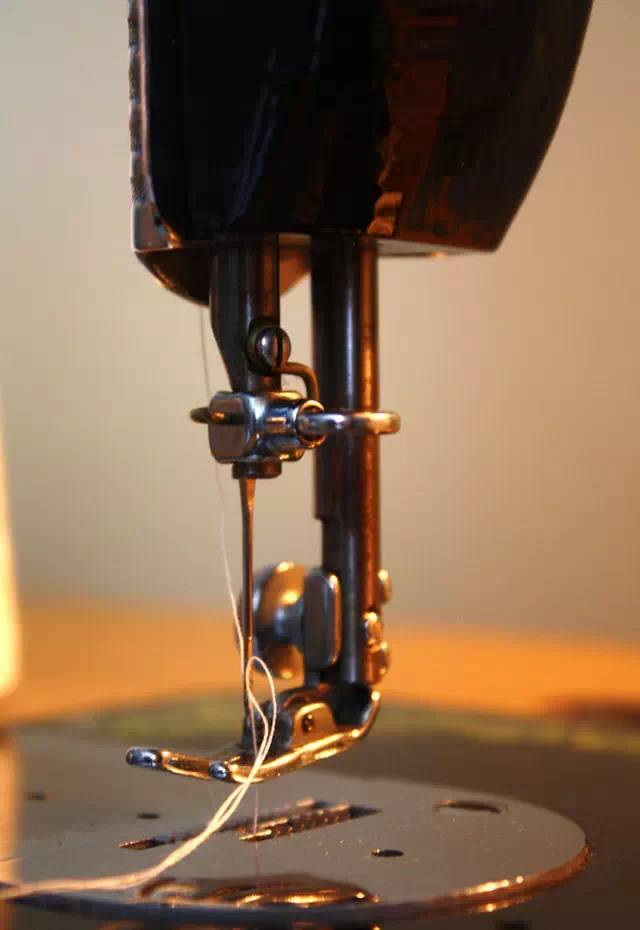
Sewing is the heart of garment manufacturing, where individual fabric pieces are stitched into complete garments. The sewing line is the most labor-intensive and pivotal stage in the factory.
Key Activities:
- Sewing Lines: Factories organize sewing workstations into lines, with each worker or machine assigned a specific task (e.g., attaching sleeves, sewing hems).
- Assembly Techniques: Skilled seamstresses and advanced machinery handle various stitching techniques suited to different fabrics and garment types.
- In-line Quality Control: Inspectors check seams, alignment, and stitching quality at multiple stages during assembly.
A well-organized sewing line drives productivity, reduces errors, and ensures high-quality garment construction.
Finishing
Once garments are sewn, they go through finishing processes to enhance their appearance and functionality. Finishing prepares garments for the final buyer or retailer.
Key Activities:
- Trimming and Pressing: Excess threads are trimmed, and garments are pressed to remove wrinkles and shape them attractively.
- Adding Embellishments: Labels, tags, buttons, and branding elements are attached as specified by clients.
- Final Touch-Ups: Any minor corrections or final alterations are made to ensure garments meet the required look and fit.
Finishing is essential in delivering garments that are both visually appealing and retail-ready.
Quality Control and Inspection
To maintain reputation and satisfy buyer demands, garment factories implement rigorous quality control protocols throughout the manufacturing process.
Key Activities:
- Multi-Stage Inspection: Quality inspectors review garments at various production stages, including pre-sewing, post-sewing, and finishing.
- Defect Identification: Garments are checked for stitching errors, fabric flaws, incorrect sizing, and other defects.
- Compliance Checks: Finished products are tested for compliance with client specifications and regulatory standards, such as fabric safety or eco-labeling requirements.
Consistent quality control helps mitigate returns, maintain client trust, and foster long-term business relationships.
Packaging and Shipping
The final step in the garment factory workflow is packaging and shipping. How garments are packaged and shipped can influence branding, customer satisfaction, and overall business reputation.
Key Activities:
- Packaging: Garments are sorted, folded, or hung as per buyer requirements. They are then packed into boxes, garment bags, or specialized containers.
- Labelling & Tagging: Factories ensure that each garment bears the correct size labels, barcodes, and branding tags as per client or country regulations.
- Logistics Coordination: Shipping teams collaborate with freight forwarders, shippers, and logistic companies to deliver products on time, domestically or internationally.
Efficient packaging and shipping processes minimize transit damage and ensure timely delivery to retailers and consumers worldwide.
The Role of Technology in Modern Garment Factories
Technological advancements have dramatically reshaped garment manufacturing. Today’s factories increasingly rely on automation, robotics, and AI to streamline production, monitor quality, and optimize logistics.
Examples of Technology Use:
- Automated Cutting Machines: Faster, more accurate cutting with less material wastage.
- Robotic Sewing Arms: Improved speed and consistency in complex stitching operations.
- Digital Workflow Management: Real-time production tracking and inventory management.
- Sustainable Technologies: Water-saving dyeing machines, energy-efficient lighting, and eco-friendly practices.
Technology enhances factory efficiency, reduces human error, and supports sustainable, large-scale garment production.
Challenges Faced by Garment Factories
Despite their strengths, garment factories encounter numerous challenges:
- Labor Management: Retaining skilled workers and ensuring fair labor practices is an ongoing concern in many regions.
- Compliance & Sustainability: Factories must adapt to evolving regulations related to worker safety, fair wages, and environmental impact.
- Productivity & Competition: Globalization creates intense competition, forcing factories to continuously improve efficiency and innovation.
- Quality Assurance: Consistency across large production lots is difficult yet essential.
Addressing these challenges is key to maintaining operational excellence and client satisfaction in a competitive global market.
Conclusion
Garment factories serve as the manufacturing engines of the fashion industry, meticulously guiding clothing from concept to consumer. Their main functions—design and development, sourcing, pattern making, cutting, sewing, finishing, quality inspection, packaging, and shipping—are built upon years of expertise and technological innovation.
By continually optimizing each function, garment factories fuel the apparel industry’s global reach. As consumer expectations evolve and sustainability takes center stage, factories must adapt, embracing technologies and ethical practices to remain leaders in production and quality.
Next time you shop for clothes, take a moment to appreciate the intricate processes happening behind the scenes, and the vibrant world of garment factories that make fashion accessible to all.
If you found this article on the main functions of a garment factory helpful, share it with others interested in fashion production, and check back for more insights into the world of textiles and apparel manufacturing!
Comentario