The Intricate Journey of Woven Garment Production at PIPK
Aug 05,2025 | PIPK
At PIPK, we believe that every exceptional garment begins with a well-orchestrated production process. Behind the stylish woven clothes you love lies a series of meticulous steps, each contributing to the final quality and appeal. Today, we're pulling back the curtain to take you through our comprehensive woven garment production workflow.
1. Garment Design: Where Ideas Take Shape
Our design team is the heartbeat of innovation at PIPK. We specialize in two key areas of design:
- Ready-to-wear design: We create garments based on standard size proportions, ideal for mass production. This process involves careful selection of fabrics and trims, while also considering our production equipment capabilities and craftsmen's skills.
- Fashion design: Our designers stay ahead of trends, crafting unique pieces that reflect current fashion movements and cater to niche market demands.
![]()
2. Pattern Making: Translating Designs into Reality
Once a design is finalized and approved, we move to pattern making. This crucial step involves creating patterns in various sizes through a process called "pattern grading". At PIPK, we utilize state-of-the-art computer systems for precise pattern grading, ensuring consistency across all sizes. We then develop production patterns and create marker layouts to optimize fabric usage.
3. Production Preparation: Laying the Groundwork
Before production begins, we leave no stone unturned:
- Rigorous inspection and testing of fabrics, trims, and threads
- Pre-shrinking and fabric conditioning to prevent post-production 变形 (distortion)
- Creation of samples and prototypes to validate the design and production process
4. Cutting: Precision in Every Snip
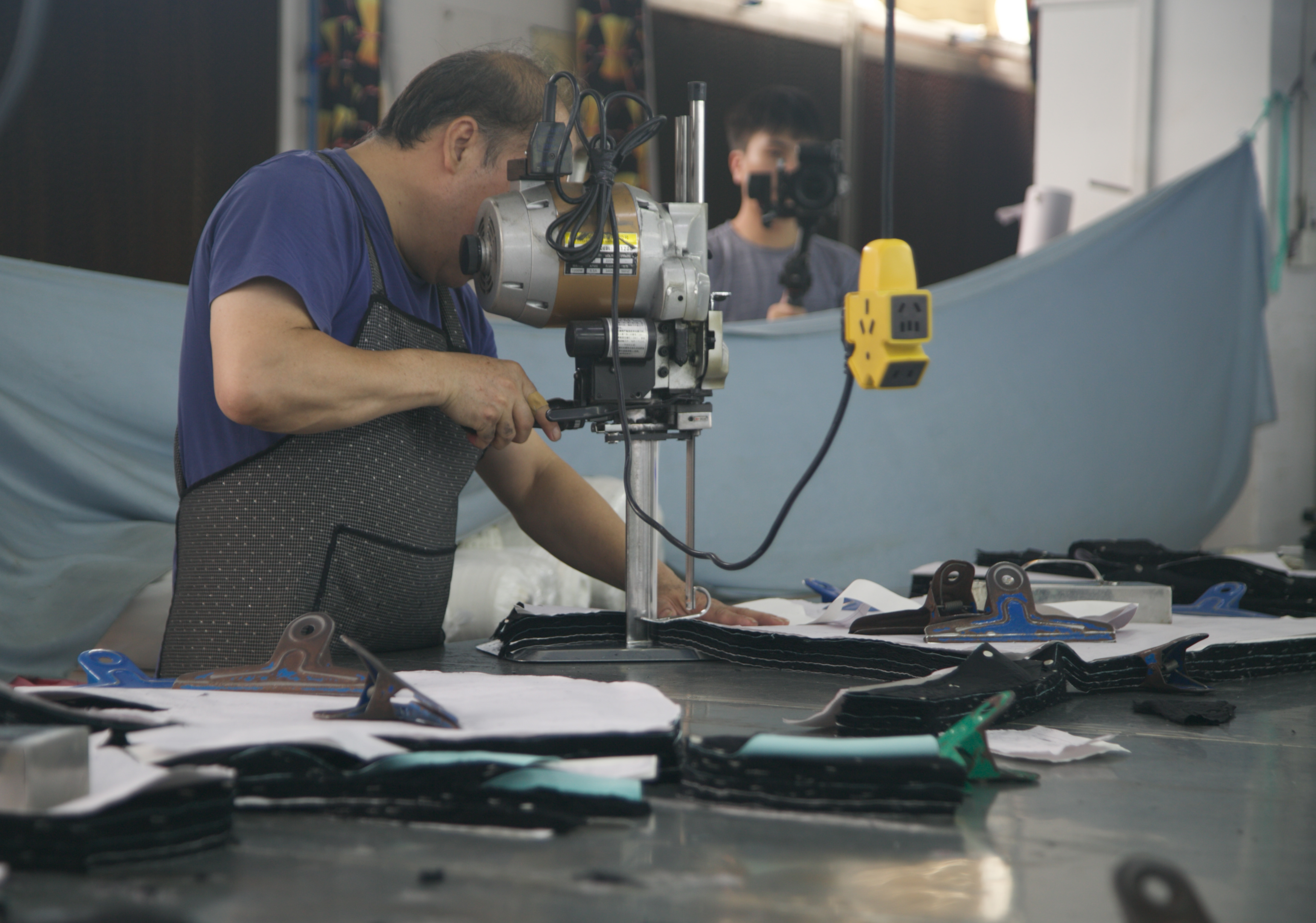
Cutting is the first physical step in garment production. Our expert cutters transform rolls of fabric into individual pattern pieces using the marker layouts. This process includes:
- Spreading fabric evenly according to the marker
- Calculating fabric requirements accurately
- Strategic placement to work around fabric imperfections (defect borrowing)
- Efficient nesting of patterns (nested cutting)
- Inspection, numbering, and bundling of cut pieces
![]()
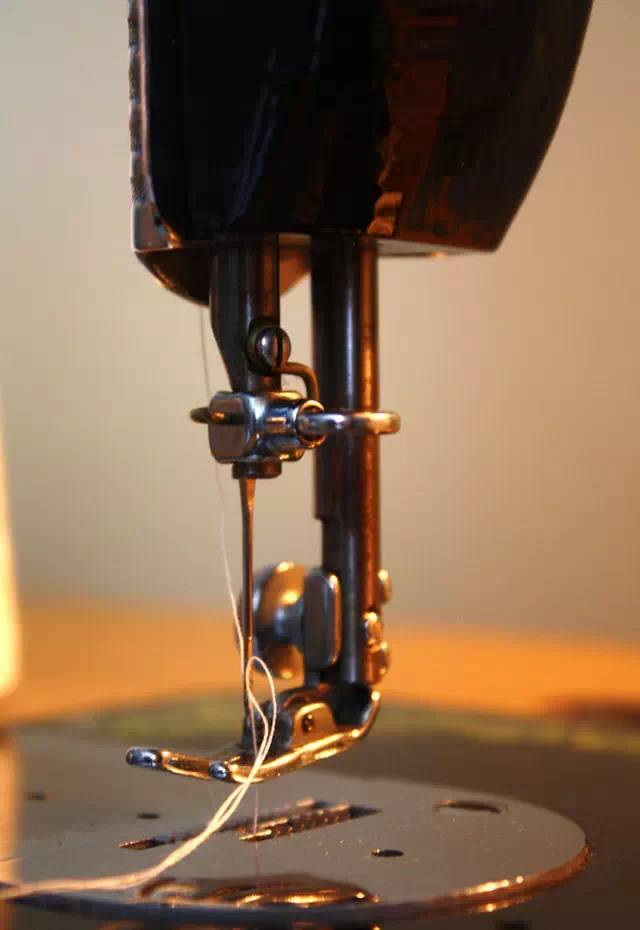
5. Sewing: Crafting the Garment
Sewing is where the magic happens, as individual pieces come together to form a garment. This technically demanding stage requires:
- Strategic organization of sewing operations
- Selection of appropriate stitches, seam types, machinery, and tools
- Skilled craftsmanship to ensure quality and consistency
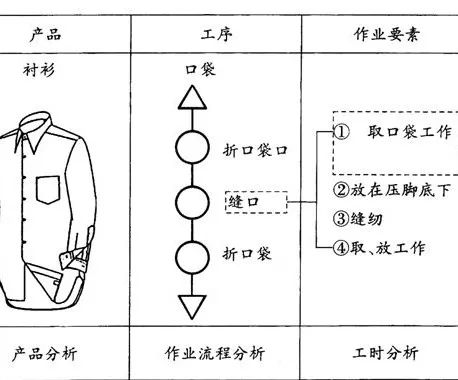
At PIPK, we continuously analyze and improve our sewing processes. We break down each task from product analysis to operation analysis, time study, and motion analysis. For example, creating a shirt pocket involves multiple operations, each with specific work elements that we optimize for efficiency without compromising quality.
6. Process Analysis: Pursuing Excellence
Our commitment to quality drives us to conduct thorough process analysis with three main goals:
- Simplifying operations
- Reducing reliance on individual skill alone
- Shortening production time
We analyze every aspect, from garment style and materials to processing techniques and workshop capabilities. We're constantly exploring ways to mechanize manual operations and improve tools and attachments to enhance productivity and quality.
7. Garment Quality Control: Ensuring Perfection
Quality is embedded in every step of our production, with dedicated checks throughout the process. Before packaging, each garment undergoes a comprehensive inspection covering:
- Design consistency with approved samples
- Dimensional accuracy
- Seam quality and regularity
- Pattern matching (for striped/checked fabrics)
- Fabric grain alignment and absence of defects/stains
- Color consistency within the garment
- Pressing quality
- Stability of fusible interlinings (no glue bleeding)
- Thread residue removal
- Completeness of accessories
- Accuracy and placement of labels (size, care, brand)
- Overall appearance
- Packaging compliance
8. Post-Processing: The Final Touch
The journey concludes with careful packaging and logistics:
- Professional folding and bagging according to specifications
- Accurate counting and boxing as per packing lists
- Optional hanging transportation for delicate items
At PIPK, we understand that timely delivery is as important as quality. By standardizing each production 环节 (link) – from pattern making to packaging – we ensure we meet deadlines while delivering garments that exceed expectations.
Every woven garment from PIPK is a testament to our dedication to craftsmanship, precision, and quality. We take pride in our production process, which combines traditional skills with modern technology to create garments that stand out in the market.
Stay tuned for more insights into the world of garment production, and feel free to reach out to discuss how we can bring your design vision to life!
المقال السابق
What are the main functions of a garment factory?
المقال التالي
Why Guangzhou is the Global Fabric Hub